Power & Resilience
Solar that fits the roof, the house, and the bill.
Designed with the roof and the heat pump in mind, installed by the crew that does both — and recommended only where it genuinely pays.

What can we help you with?
The problem
When solar is the right answer
Solar is a good tool for a specific job. We recommend it when the house is set up for it and say so when it isn't.
A high electric bill that's about to get higher
A heat pump, an EV, or a hot tub turns a modest bill into a large one; solar sized to the new load offsets it.
A roof with the years and the exposure
South- or west-facing, unshaded, and with at least as much life left as the panels.
You want the house to run through an outage
Solar with a battery keeps the essentials on when the street goes dark; solar alone does not.
You've been quoted solar first
If the last company led with panels before looking at the attic, you got a product pitch, not a plan.
What we install
What we install
A system designed around the house, not the other way around.
Rooftop solar arrays
High-efficiency panels on rail or rail-less racking, flashed at every attachment, sized to the load you'll actually have.
Inverters and optimizers
String, micro, or hybrid inverters chosen for the roof's shading and for whether a battery is in the plan.
Battery-ready design
Wiring and inverter choices that let you add storage later without redoing the system.
Electrical upgrades
Panel, service, and grounding work done by our own licensed electricians, not a subcontractor.
Monitoring
Production and consumption you can see, tied into the same controls as the rest of the house.
Roof work first, where it's needed
If the roof has fewer years than the panels, we replace it before we drill it.
How it fits the house
How solar fits the rest of the house
Solar is a Power & Resilience system, and it is sized to the load. That's why we look at the envelope and the heating system first: a tighter house with a right-sized heat pump has a different electric load than a drafty one with baseboard heat, and the array should match the house you'll have, not the one you have today.
The roof comes before the array. We check its age, its decking, and its exposure, and we plan the attachment points so the flashing and the roofing warranty survive the install. A panel on a roof with ten years left is a panel that comes off in ten years.
A battery is what makes solar useful in an outage. Without one, a grid-tied system shuts down when the street does. If resilience is part of the reason you're looking at solar, we design the battery and the critical-loads panel in from the start.
Cost
Cost, and how we bring it down
A solar system is priced on its size, the roof it's going on, the inverter and battery choices, and any electrical work the house needs. We size it to your usage and your plans, and the number in your plan is for your house.
State and utility programs still matter. Massachusetts SMART, net metering rules by state, SRECs where they exist, and utility battery programs each change the math, and they change by year. We identify what applies and handle the paperwork.
Lease and power-purchase agreements are available for homeowners who'd rather not own the system; in those structures the provider claims the federal commercial credit and passes part of it through as a lower rate. We'll show you ownership and lease side by side.
The federal residential solar tax credit (Section 25D) ended on December 31, 2025. It is not available for systems purchased with cash or a loan in 2026. Leased and PPA systems may still pass through part of the separate commercial credit. We confirm exactly what applies at the assessment, and a tax professional reviews anything tax-related before it goes in your plan.
Programs we help you apply for
Massachusetts SMART
the state's solar incentive program
Net metering
utility credit for exported power; rules differ by state and utility
SRECs (NJ, PA, MD)
solar renewable energy certificates where a market exists
ConnectedSolutions and utility battery programs
payments for letting the battery support the grid at peak
Eligibility and amounts change by state and by year; we confirm what applies to your project at the assessment.
Real trucks. Real crews. Real homes.
Proof you can see.
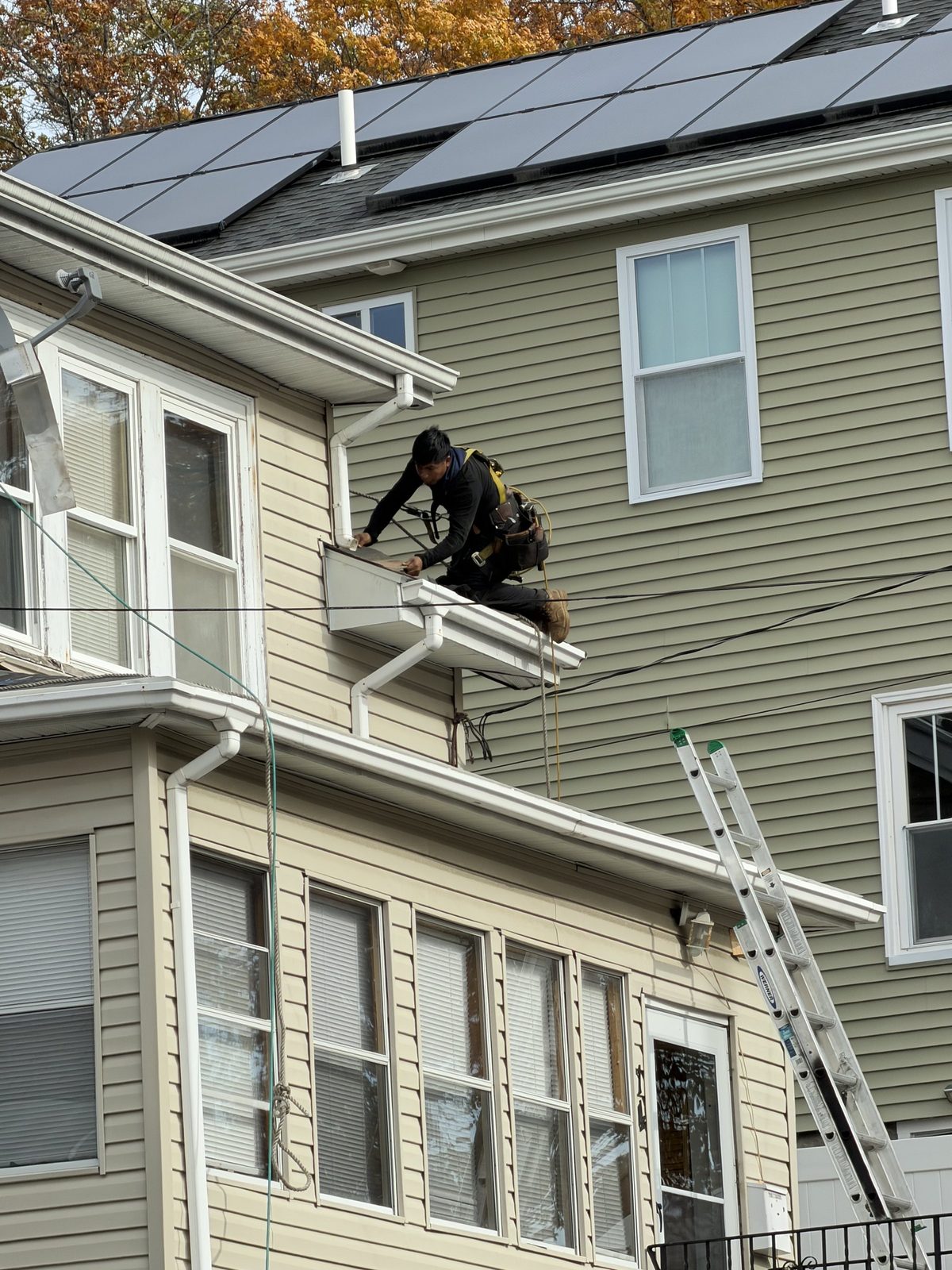
solar install 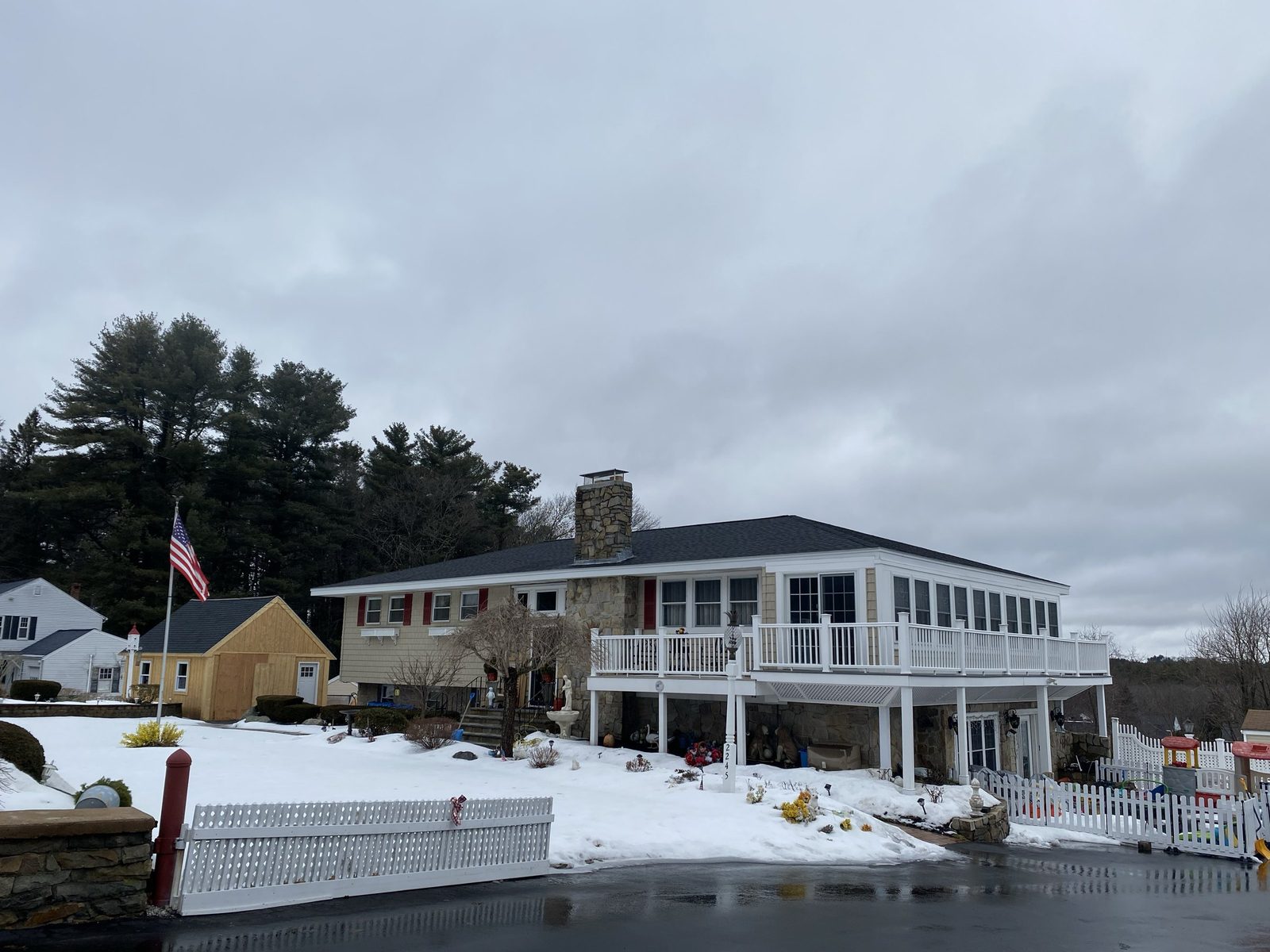
solar in winter 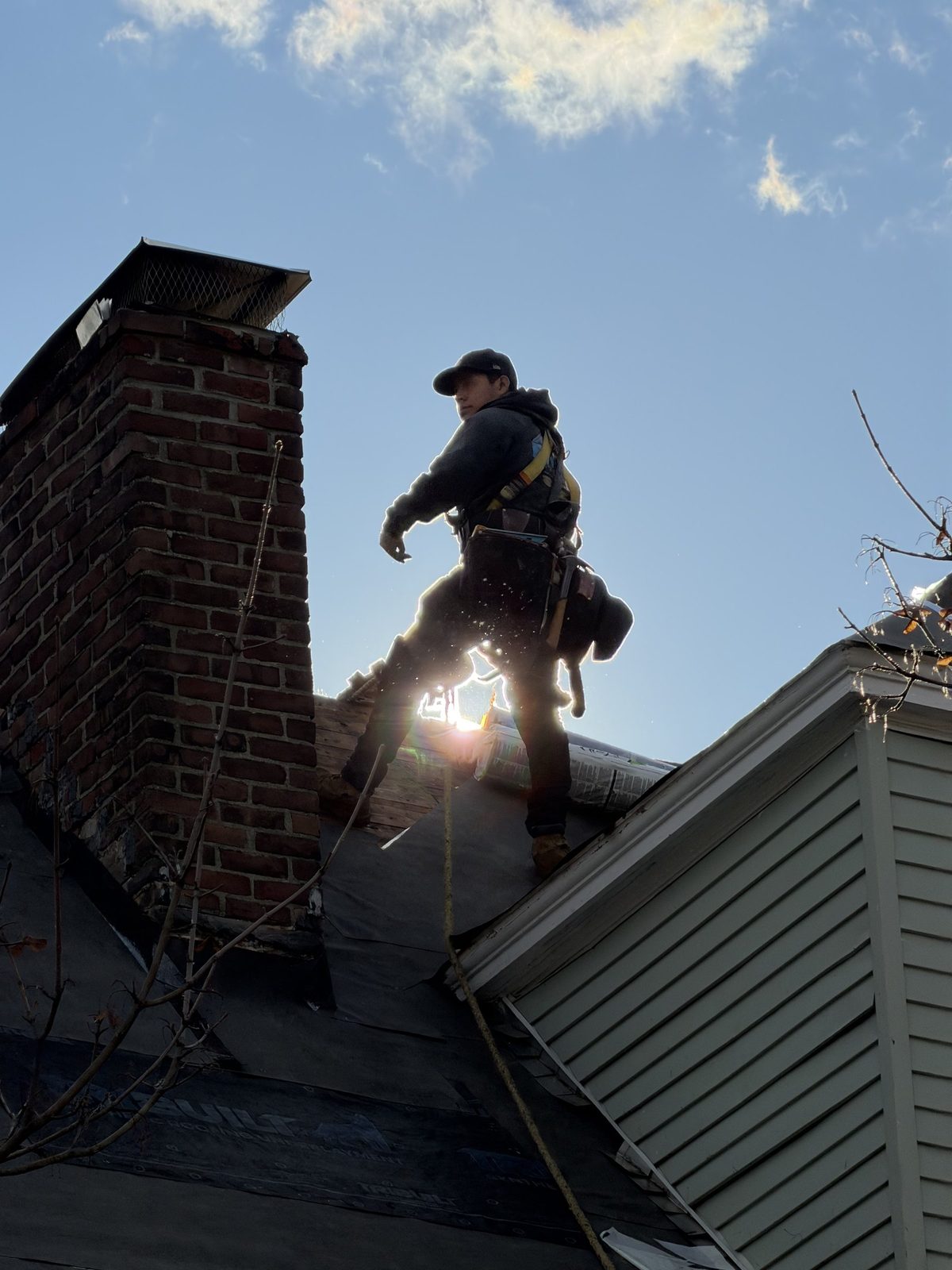
roof and solar


Every system is backed by industry-leading warranties.
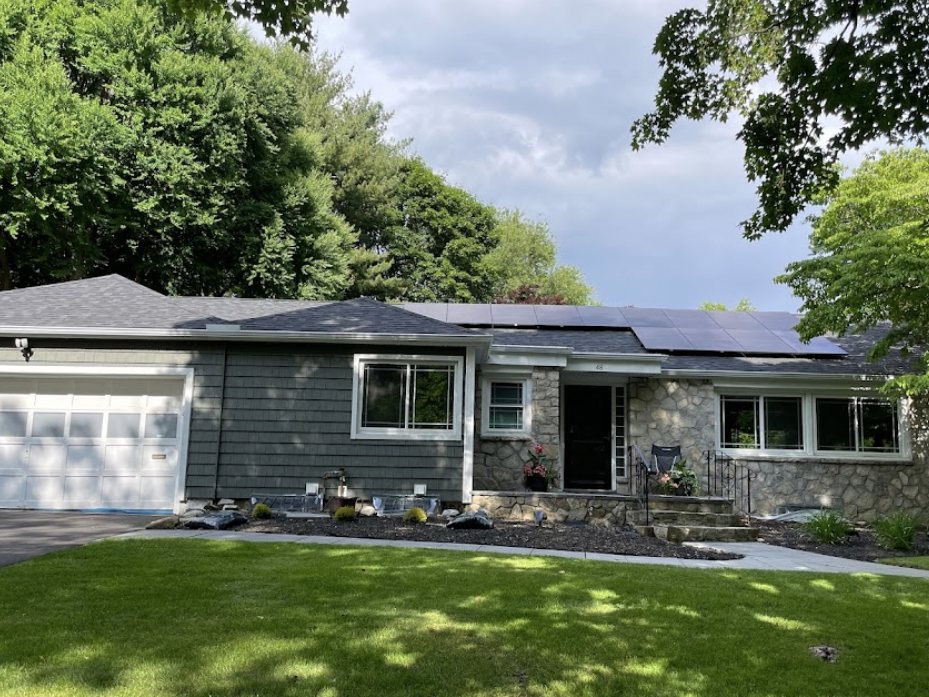
Ahmad and Team Sunshine installed 25 solar panels on our home last fall. I met Ahmad through a referral from a neighbor who had Team Sunshine install solar on his house 2 years prior. He told me how happy he was with their company and how responsive the team had been throughout the whole process. He told me two years later he was still in touch with them. I had been researching solar for a while and had just had a no show for a scheduled appointment from one company and another who wasn’t calling back…
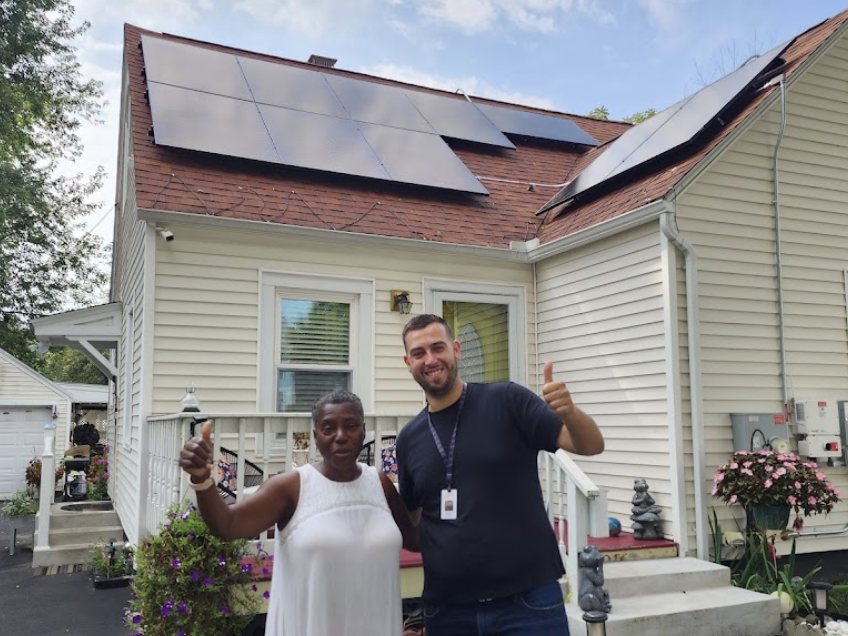
Great company, very happy with the installation . I highly recommend this great people!!
It was one of the best decisions I have made to go solar and do it with Team Sunshine. Trust is a very important part of entering into business with any company and Team Sunshine is a company you can trust. I have heard many stories of solar gone wrong and am so happy I made the choice I did. I referred a friend who just got solar installed by Team Sunshine and also had an excellent experience ( and they even offer a great referral bonus!!). If you’re considering solar, consider Team Sunshine. You won’t be sorry!! Thank you Ahmad, Louisa, and everyone else who was part of our great experience.


FAQ
Questions people actually ask
Plain answers, no sales voice. If yours isn’t here, the callout below reaches a person.
Is the federal solar tax credit still available?
The 30% residential credit (Section 25D) ended on December 31, 2025, and does not apply to systems bought with cash or a loan in 2026. A leased or power-purchase system may still benefit from the separate commercial credit, which the provider claims and can pass through as a lower rate. We lay out both paths at the assessment and a tax professional reviews anything tax-related.
Does solar still make sense without the federal credit?
For some homes, yes; for others, less than it did. The answer depends on your electric rate, your usage, your roof, and the state programs where you live. We run the numbers honestly and tell you if the better investment this year is the envelope or the heat pump instead.
Will solar keep my lights on in an outage?
Only with a battery. A standard grid-tied system shuts down when the grid goes down to protect line workers. Solar paired with a battery and a critical-loads panel keeps the essentials running and recharges the battery by day.
Does my roof need to be replaced first?
If it has fewer years left than the panels will be up there, yes. We check the roof's age and condition as part of every solar assessment, and because we do roofing, we can replace it and install the array in one project without two companies pointing at each other.
Does solar work in New England winters?
Yes. Panels produce on cold, clear days, snow slides off tilted arrays, and annual production is modeled for your location, including winter. Summer over-production is credited back through net metering where your utility offers it.
What about solar in Florida?
Florida has more sun and different rules: no state income tax credit, net metering that varies by utility, and wind-load requirements for the racking. Our Florida systems are engineered to the wind code, and the design assumes a cooling-dominant load.
Still have a question?
A Home Advisor picks up — no phone tree.
Two climates, one team
Where you live changes the array, and our plan does too.
In New England and the Mid-Atlantic the array is sized against a heating-dominant load, snow, and shorter winter days, with net metering carrying summer surplus into winter. In Florida it's a cooling-dominant load, more sun, hurricane wind-load engineering, and utility rules that differ from the Northeast.
Where we work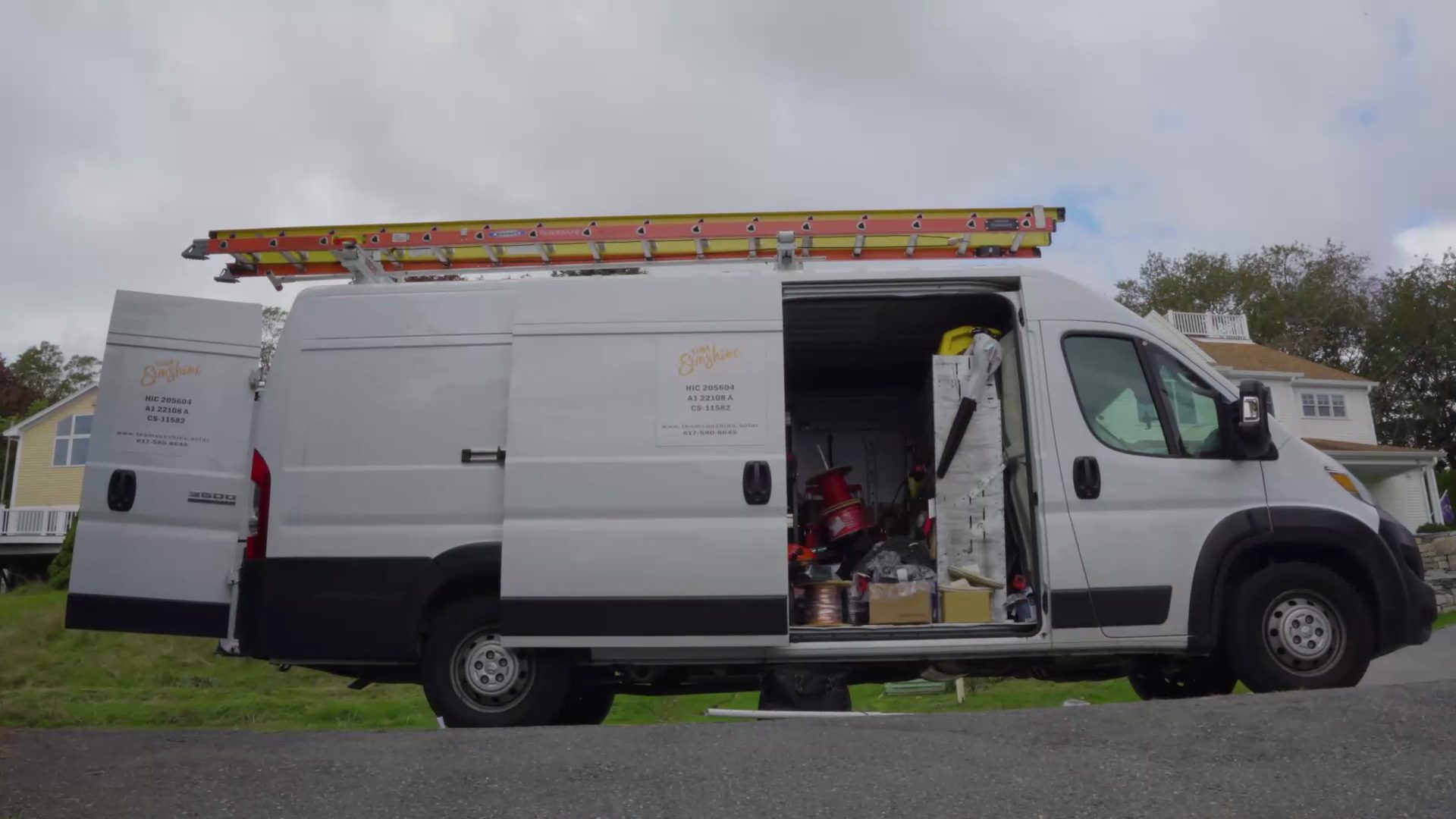
Get started
Let's see what your home qualifies for.
A free assessment, in-home or virtual. No pressure — just a plan built for your house.
Modernizing Homes Since 2019 · Made with ♥ in Massachusetts