Power & Resilience
Charge at home, overnight, on your own terms.
A Level 2 charger, the panel work to carry it, and the option to fill the car from your own roof — installed by our electricians, permitted, and done in a day.

What can we help you with?
The problem
What's wrong with the way you're charging now
A wall outlet is a stopgap. A dealer-installed charger on an overloaded panel is a problem waiting to trip.
A full charge takes two days
A standard outlet adds a few miles an hour. That's fine for a plug-in hybrid and hopeless for a full EV.
The panel is already full
A 100-amp service with electric heat, a dryer, and a range has no room for a 40-amp charger without load management or an upgrade.
The charger's in the wrong place
A cable across the driveway or a charger on the far side of the garage gets used less than one where the car actually parks.
You have solar and you're charging from the grid
The roof makes power at noon and the car charges at midnight. Smart charging can fix that.
What we install
What we install
Charging matched to the car, the panel, and where the car lives.
Level 2 chargers
Hardwired or plug-in units from the major manufacturers, sized to the car and the panel.
Dedicated circuits
The right wire, the right breaker, the right GFCI protection, run cleanly from the panel to the parking spot.
Load management
Smart breakers and chargers that share the panel's capacity so a full panel doesn't need a full upgrade.
Panel and service upgrades
When the house does need more capacity, we upgrade the panel and coordinate the utility service change.
Solar-aware charging
Chargers that follow the array's production so the car fills from the roof, not the grid.
Outdoor and carport installs
Weather-rated units on posts, pedestals, or a solar carport, with the trenching and conduit to reach them.
How it fits the house
How EV charging fits the rest of the house
An EV charger is one of the largest loads in the house, and it lands on the same panel as everything else. That's why we look at the whole electrical picture: what the panel is carrying today, what a heat pump or a battery would add, and whether load management or a service upgrade is the right answer. Our electricians do all of it, so there's one plan.
If solar is in the plan, the charger should know about it. A solar-aware charger fills the car when the roof is producing and eases off when the house needs the power, which is the difference between charging on sunlight and charging on the utility. A battery lets the car charge from the day's surplus after dark.
Where the car parks decides the install. A garage wall is the easy case; a driveway, a detached garage, or a carport needs weather-rated equipment and a trench. If a solar carport or a pergola is part of your plan, the charger goes on the structure and the conduit runs with the array's.
Cost
Cost, and how we bring it down
A charger install is priced on the charger, the distance from the panel to the car, the wall or trench in between, and whether the panel needs load management or an upgrade. We look at the panel first so the number in your plan is for your house.
Many utilities in our territory offer rebates for Level 2 chargers and for enrolling in managed-charging programs that shift charging to off-peak hours. We identify what applies and file it.
Load management often avoids a service upgrade entirely, which is the single biggest cost most homes can skip. We tell you when that's the case.
Federal incentives for home EV charging equipment changed in 2025 and depend on where you live. We confirm exactly what applies to your project at the assessment, and a tax professional reviews anything tax-related before it goes in your plan.
Programs we help you apply for
Utility EV charger rebates
National Grid, Eversource, and other utilities by state
Managed / off-peak charging programs
utility payments or rate discounts for charging off-peak
MassEVIP and state programs
state-level charger incentives where offered
Eligibility and amounts change by state and by year; we confirm what applies to your project at the assessment.
Real trucks. Real crews. Real homes.
Proof you can see.
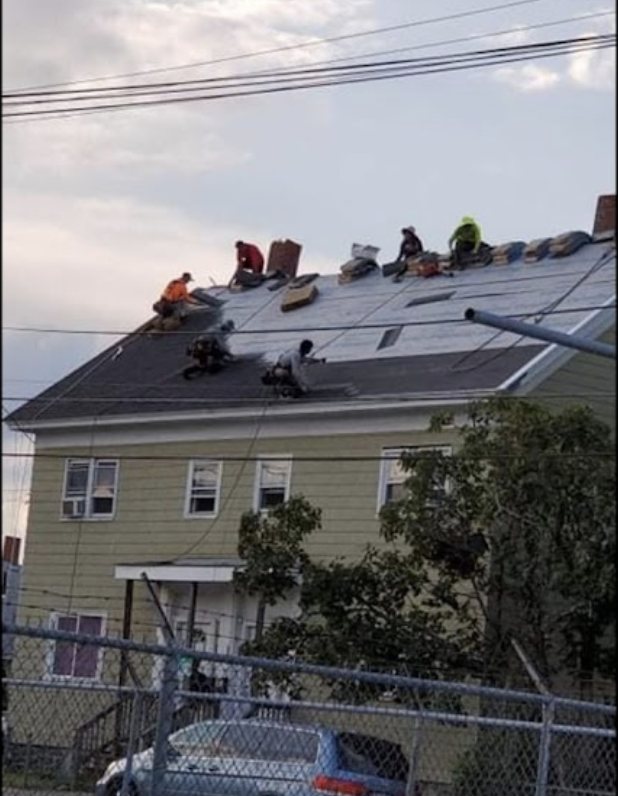
Very professional, team work, and they clean after when the project is done. I’m so impressed that it only took 2 days to finished. Thank you Ben for replacing my new roof!
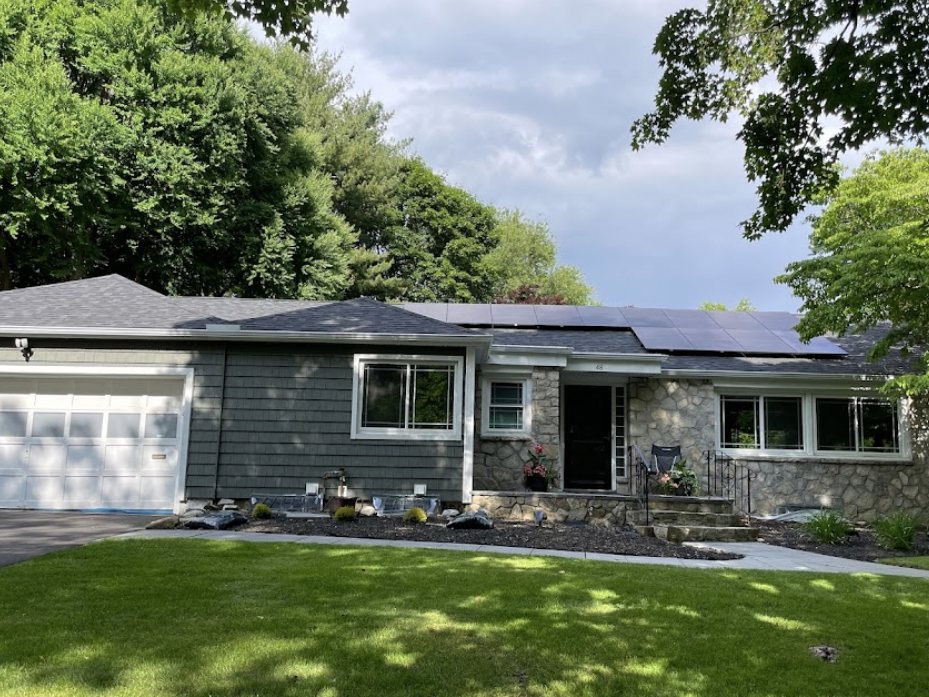
Ahmad and Team Sunshine installed 25 solar panels on our home last fall. I met Ahmad through a referral from a neighbor who had Team Sunshine install solar on his house 2 years prior. He told me how happy he was with their company and how responsive the team had been throughout the whole process. He told me two years later he was still in touch with them. I had been researching solar for a while and had just had a no show for a scheduled appointment from one company and another who wasn’t calling back…
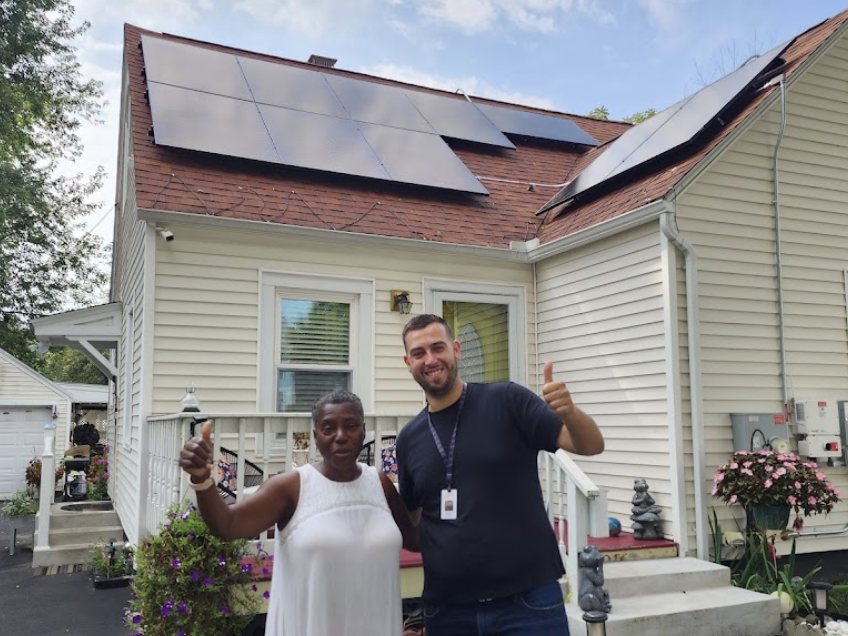
Great company, very happy with the installation . I highly recommend this great people!!


FAQ
Questions people actually ask
Plain answers, no sales voice. If yours isn’t here, the callout below reaches a person.
Do I need a panel upgrade for an EV charger?
Sometimes, but less often than people are told. A load calculation tells us what the panel can carry; if there isn't room, a load-management charger or a smart breaker often solves it without a service upgrade. When the house genuinely needs more capacity, we upgrade the panel and handle the utility.
How fast will a Level 2 charger charge my car?
Most home Level 2 chargers add tens of miles of range per hour, which means a full charge overnight for nearly any EV. The exact rate depends on the charger's amperage and the car's onboard charger; we match the two.
Can I charge my car from my solar?
Yes. A solar-aware charger follows the array's output and charges the car when the roof is producing. With a battery, the car can also charge after dark from the day's surplus. We set it up as part of the install.
Hardwired or plug-in?
Hardwired is cleaner, weather-rated, and required for the highest-amperage chargers. A plug-in unit on a properly rated outlet is easier to replace or take with you. We'll recommend one based on where it's going and how long you'll stay.
Can you install a charger outside or in a detached garage?
Yes. Weather-rated chargers go on the house wall, on a pedestal, or on a carport, with the trench and conduit to reach them. A detached garage may need its own sub-panel, which we install.
How long does the install take?
Most garage installs are done in a few hours. A trench to a driveway or a detached garage, or a panel upgrade, can extend it to a day or two. We give you the schedule in the plan.
Still have a question?
A Home Advisor picks up — no phone tree.
Two climates, one team
Where you live changes the install, and our plan does too.
In New England and the Mid-Atlantic the charger shares the panel with a heat pump in winter and outdoor units have to be rated for cold and snow. In Florida the panel is carrying air conditioning and the equipment has to handle heat, humidity, and the hurricane wind code where it's outdoors.
Where we work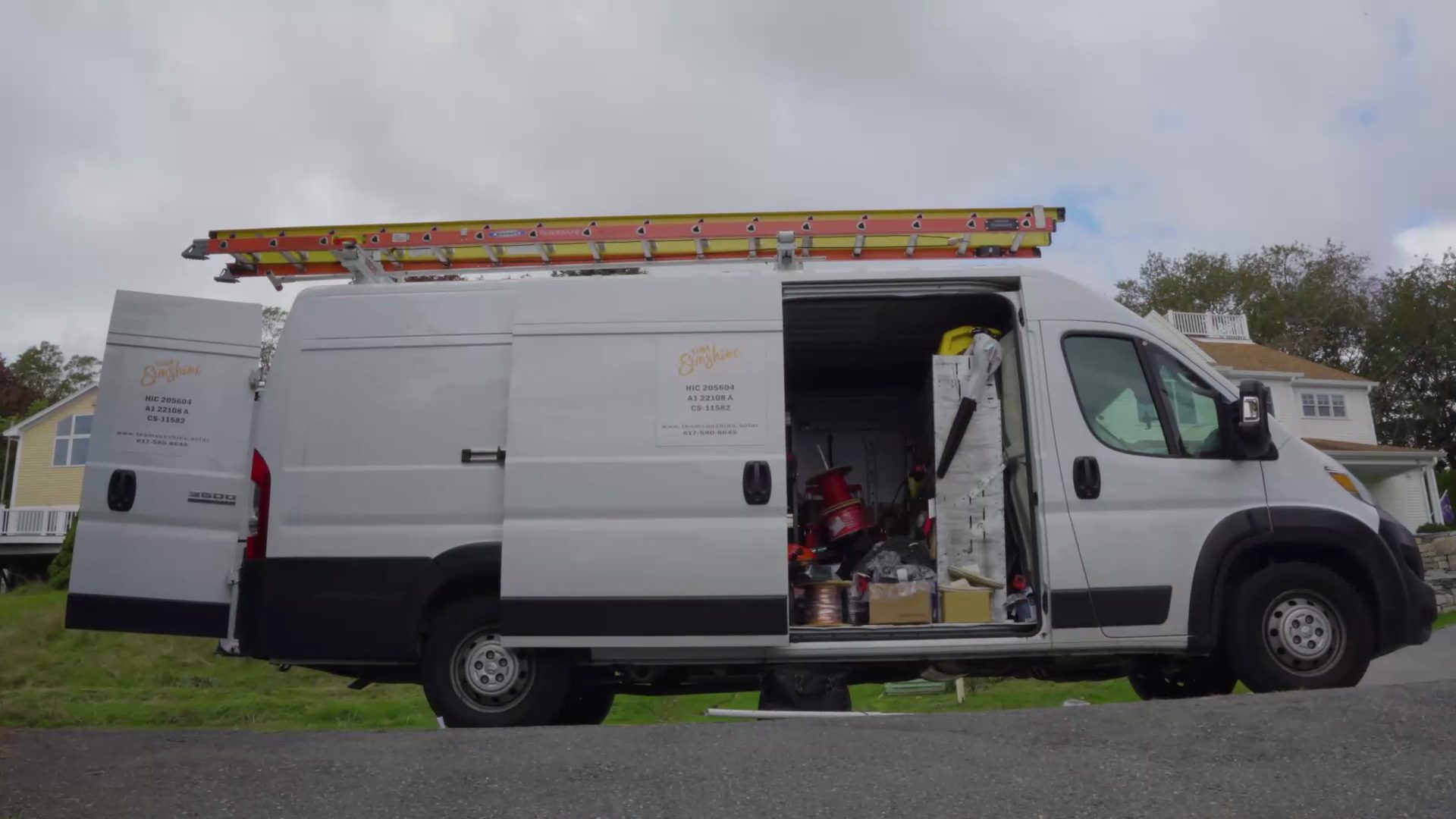
Get started
Let's see what your home qualifies for.
A free assessment, in-home or virtual. No pressure — just a plan built for your house.
Modernizing Homes Since 2019 · Made with ♥ in Massachusetts