Envelope & Durability
A roof that keeps the whole house dry, warm, and quiet.
Full tear-off, real underlayment, ventilation fixed while we're up there — installed by the same team that handles the attic below it.

What can we help you with?
The problem
What a tired roof is costing you
A roof rarely fails all at once. It fails at the edges, the valleys, and the flashing first, and the house pays for it long before the ceiling shows a stain.
Ice dams every winter
Heat leaking into the attic melts snow that refreezes at the eaves, backing water up under the shingles.
Curling, missing, or bald shingles
Granules in the gutters and shingles lifting at the corners mean the roof has stopped shedding water the way it should.
Stains on the ceiling or in the attic
Water is already inside. Insulation that's been wet doesn't insulate, and framing that stays wet doesn't last.
A hot upstairs in summer
A dark roof over a poorly vented attic can push attic temperatures far above the outdoor air, and the bedrooms feel it.
What we install
What we install
Roofing that's specified for your climate, your pitch, and what's under it, not the one product we happen to stock.
Architectural asphalt shingles
The right answer for most New England homes: heavy, dimensional, and rated for wind and algae.
Standing-seam metal
For homes that want the longest service life, the best snow shedding, and a clean profile.
Flat and low-slope roofing
Membrane systems for additions, porches, and the flat sections a shingle can't handle.
Ice-and-water shield and underlayment
Eaves, valleys, and penetrations sealed under the shingles, where the water actually gets in.
Ventilation and flashing
Ridge and soffit venting balanced, chimney and wall flashing replaced, not reused.
Gutters and downspouts
Sized to the roof and routed away from the foundation so the water ends up where it belongs.
Compare
Shingle or metal?
Both are honest choices. The difference is service life, how the roof handles snow, and what the house looks like from the street.
Architectural shingle
- Best for
- Most homes; matching the neighborhood; a roof that has to be done well without the metal premium
- Service life
- Decades with a proper install and ventilation
- Winter behavior
- Holds snow; needs ice-and-water shield at the eaves and a vented attic to prevent ice dams
- Pairs with
- Attic air sealing and insulation; solar on a south or west face
Standing-seam metal
- Best for
- Homes planning to stay put; steep roofs; heavy-snow areas; a modern or farmhouse look
- Service life
- The longest of the common roofing systems
- Winter behavior
- Sheds snow on its own; snow guards over doors and walkways
- Pairs with
- Clamp-on solar racking with no roof penetrations; standby power and batteries
Low-slope membrane
- Best for
- Flat roofs, additions, porch roofs, and any section under a 3:12 pitch
- Service life
- Long, when the drainage is right
- Winter behavior
- Ponding is the risk; tapered insulation and clear drains solve it
- Pairs with
- Rooftop equipment; ballasted or attached solar
In Florida the question changes: wind rating, secondary water barriers, and hurricane strapping decide the roof before the finish does.
How it fits the house
How the roof fits the rest of the house
The roof and the attic are one system. Most ice dams are not roofing problems; they are heat-loss problems that show up on the roof. So before we specify shingles we look at the attic floor: air leaks around plumbing and wiring, thin insulation, bathroom fans dumping into the attic. Fixing those while the roof is open is the cheapest it will ever be.
Ventilation is where most roofs are quietly wrong. Ridge venting without matching soffit intake moves no air; blocked soffits trap heat and moisture. We balance the two, clear the intakes, and baffle the insulation so the roof deck stays cold in winter and cooler in summer.
If solar is anywhere in your plan, the roof comes first and the array is designed around it: we set the shingle or metal system, plan the attachment points, and never put panels on a roof that has fewer years left than the panels do.
Cost
Cost, and how we bring it down
A roof is priced on the square footage, the pitch and complexity, the number of layers coming off, and what the decking looks like once it's exposed. We measure it, we tell you what we expect to find, and the number in your plan is for your roof.
When the attic needs air sealing or insulation, doing it in the same visit removes a second mobilization and usually qualifies for utility weatherization programs that the roofing alone would not.
Financing is available for qualified homeowners so a roof that can't wait doesn't have to be paid for all at once.
There is no federal tax credit for a roof itself. Where a roof is part of a solar project the rules changed in 2025; we confirm exactly what applies at the assessment, and a tax professional reviews anything tax-related before it goes in your plan.
Programs we help you apply for
Mass Save (Massachusetts)
attic air sealing and insulation done with the roof
Energize CT, NHSaves, Efficiency Vermont, Efficiency Maine
the same weatherization programs by state
Homeowner's insurance
storm and wind damage claims, where the damage qualifies
Eligibility and amounts change by state and by year; we confirm what applies to your project at the assessment.
Real trucks. Real crews. Real homes.
Proof you can see.
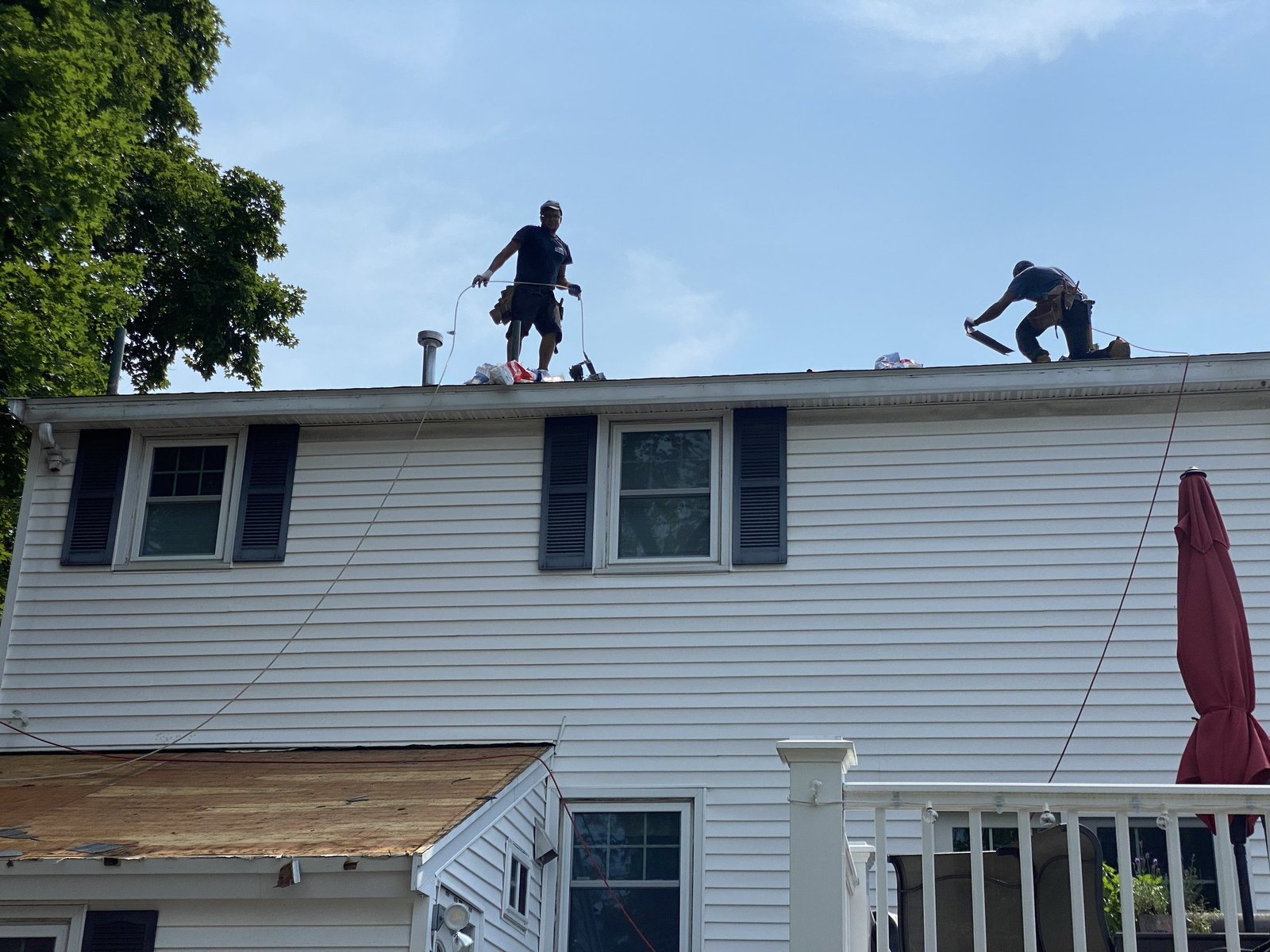
roofers on the ridge 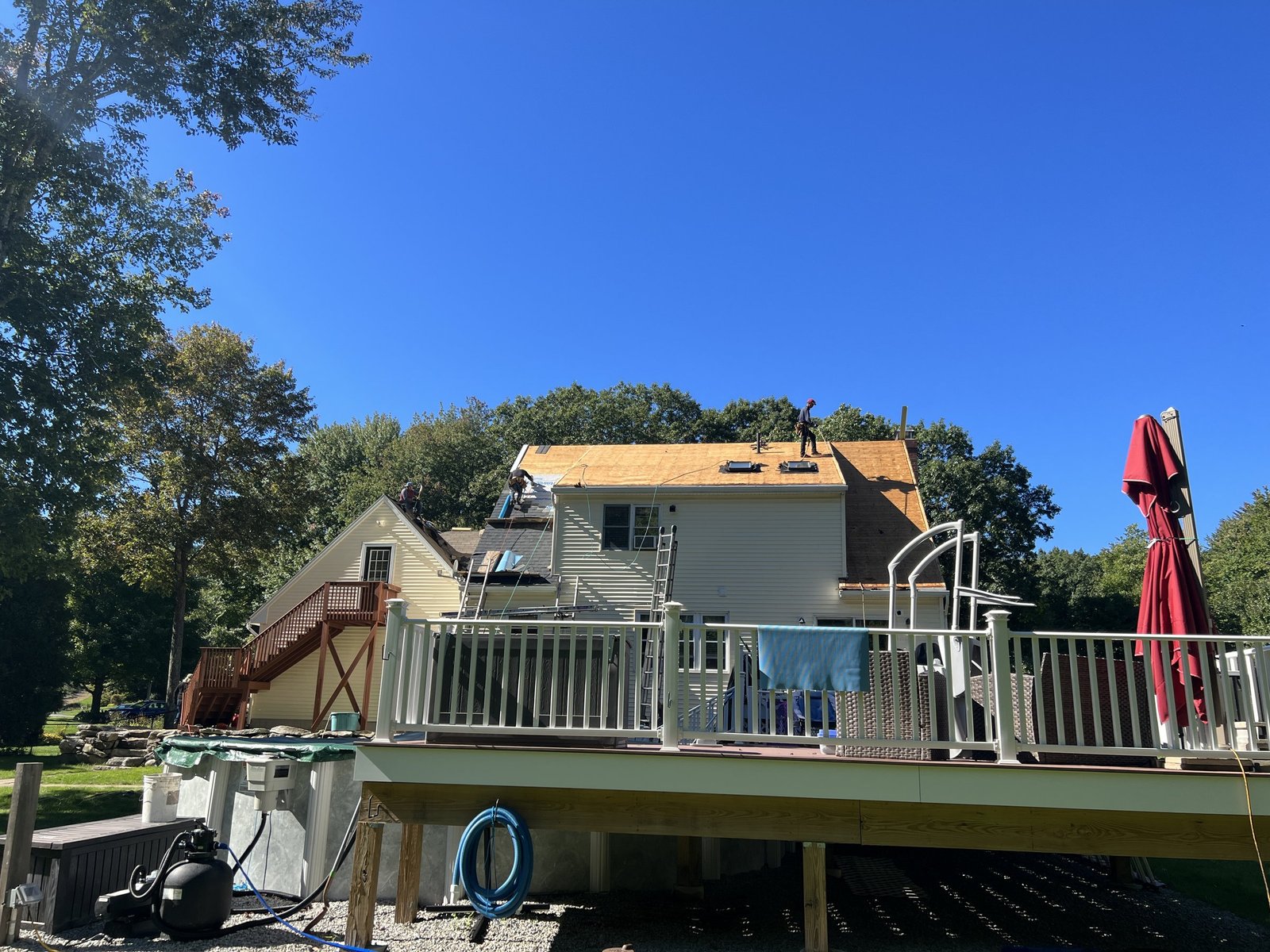
tear-off in progress 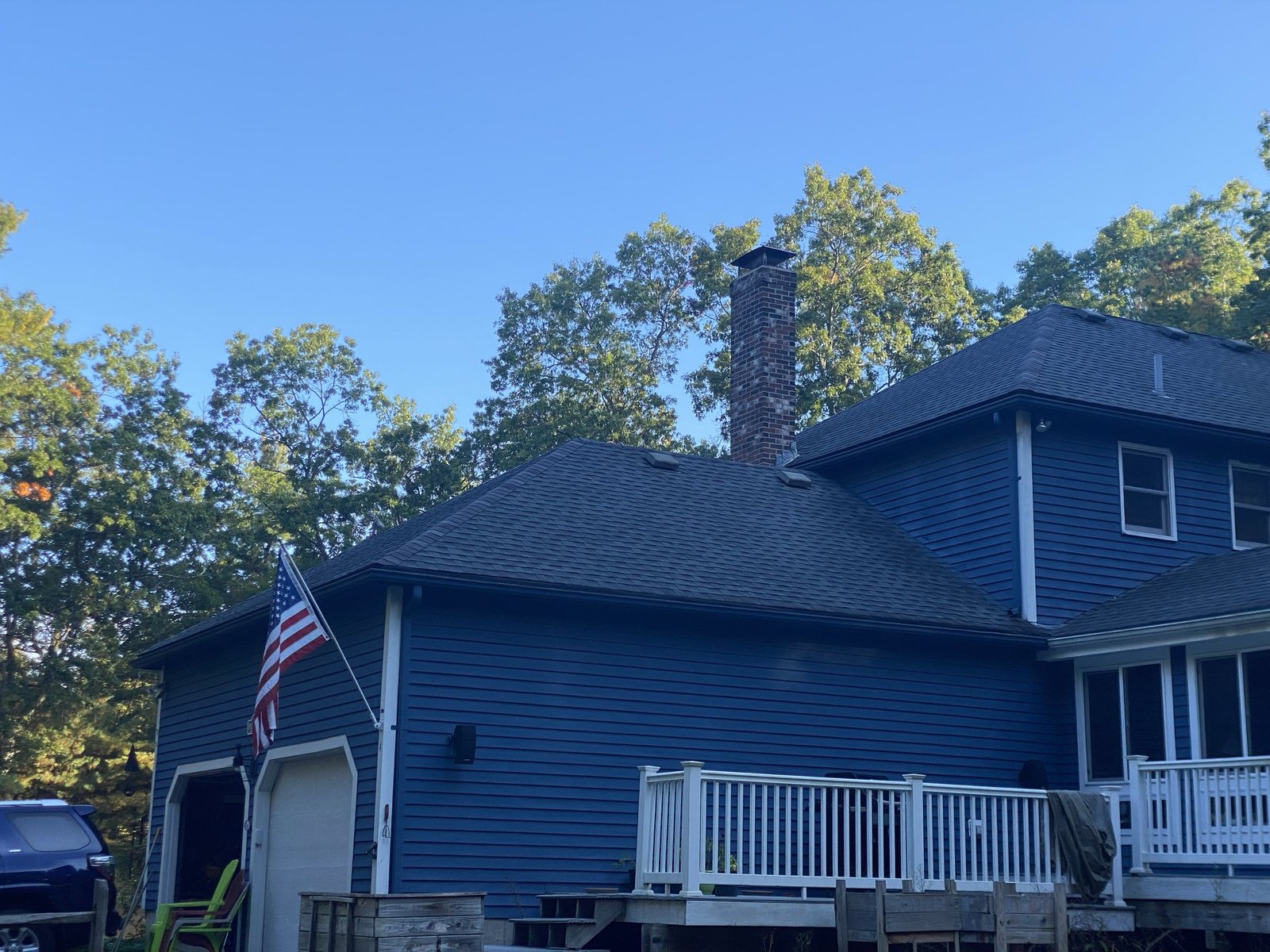
finished roof


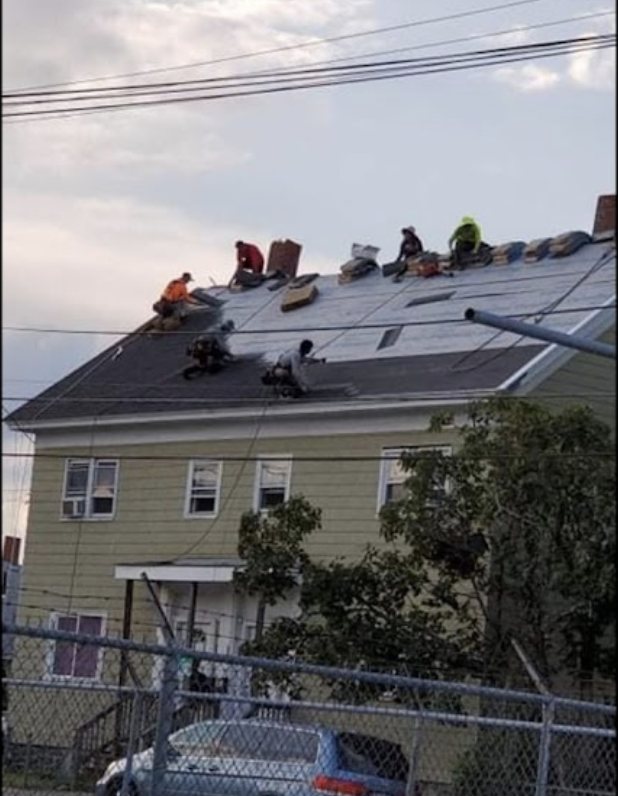
Very professional, team work, and they clean after when the project is done. I’m so impressed that it only took 2 days to finished. Thank you Ben for replacing my new roof!
We were connected to Team Sunshine through their roofing program. We were definitely hesitant as the entire project seemed too good to be true. I can say though, it all worked out and we got a new roof and we added solar panels to our home too. The team was very thorough and cleaned up all debris and nails at the end of the installation. We’re relieved to have this project completed and are excited to now be going solar as well!
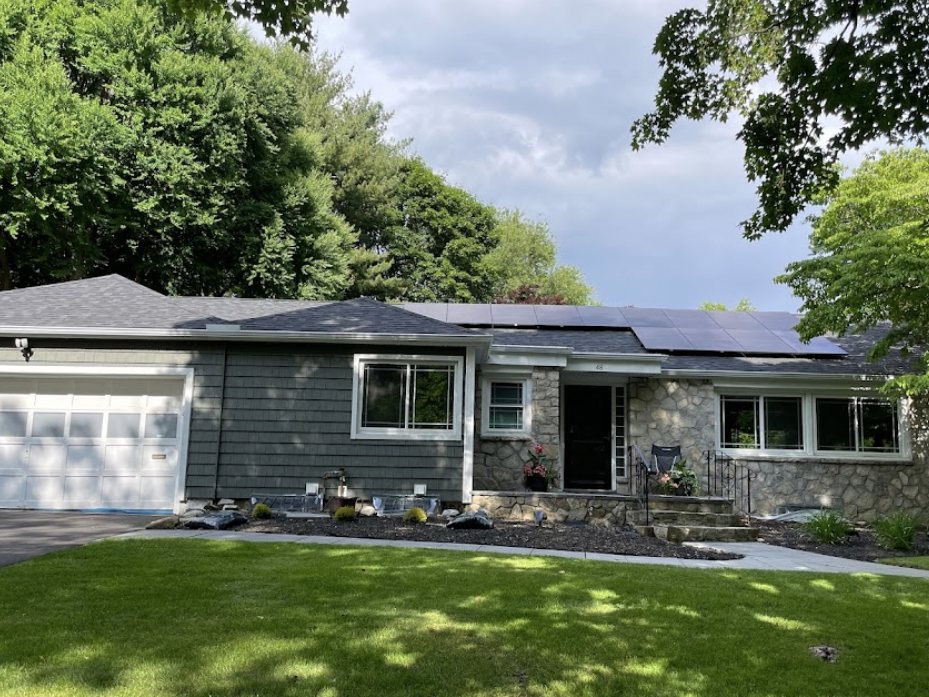
Ahmad and Team Sunshine installed 25 solar panels on our home last fall. I met Ahmad through a referral from a neighbor who had Team Sunshine install solar on his house 2 years prior. He told me how happy he was with their company and how responsive the team had been throughout the whole process. He told me two years later he was still in touch with them. I had been researching solar for a while and had just had a no show for a scheduled appointment from one company and another who wasn’t calling back…


FAQ
Questions people actually ask
Plain answers, no sales voice. If yours isn’t here, the callout below reaches a person.
How do I know if I need a new roof or just a repair?
A repair makes sense when the damage is local, the roof is otherwise mid-life, and the decking underneath is sound. When shingles are curling or shedding granules across large areas, there are multiple leaks, or the roof has been patched before, replacement is the honest answer. We tell you which one you're looking at after we've been on it.
Do you tear off the old roof or go over it?
We tear off. A second layer hides rotten decking, adds weight, traps heat, and voids most shingle warranties. Taking the old roof down to the deck is the only way to see what you actually have and to install ice-and-water shield where it belongs.
What stops ice dams?
Keeping the roof deck cold. That means sealing the air leaks between the house and the attic, insulating the attic floor to the right depth, and venting the attic so the little heat that does get up there leaves. Ice-and-water shield at the eaves is the backup, not the fix.
How long does a roof replacement take?
Most residential roofs are done in one to three days on site depending on size, pitch, and how much decking needs replacing. We give you the schedule in the plan and we don't open more roof than we can close the same day.
Can I put solar on the new roof?
Yes, and the new roof is the right time to plan it. We design the array around the roof system, set the attachment points, and sequence the work so the roof warranty and the solar install don't fight each other.
What about roofing in Florida?
Florida roofing is a different specification: wind-rated products, sealed roof decks and secondary water barriers, hurricane strapping, and the local permitting that goes with them. Our Florida crews install to those requirements, not to a New England spec.
Still have a question?
A Home Advisor picks up — no phone tree.
Two climates, one team
Where you live changes the roof, and our plan does too.
In New England and the Mid-Atlantic the roof is fighting snow load, ice dams, and freeze-thaw, so attic ventilation and eave protection lead the spec. In Florida it's wind, driving rain, and heat, so wind-rated products, sealed decks, and hurricane strapping lead instead.
Where we work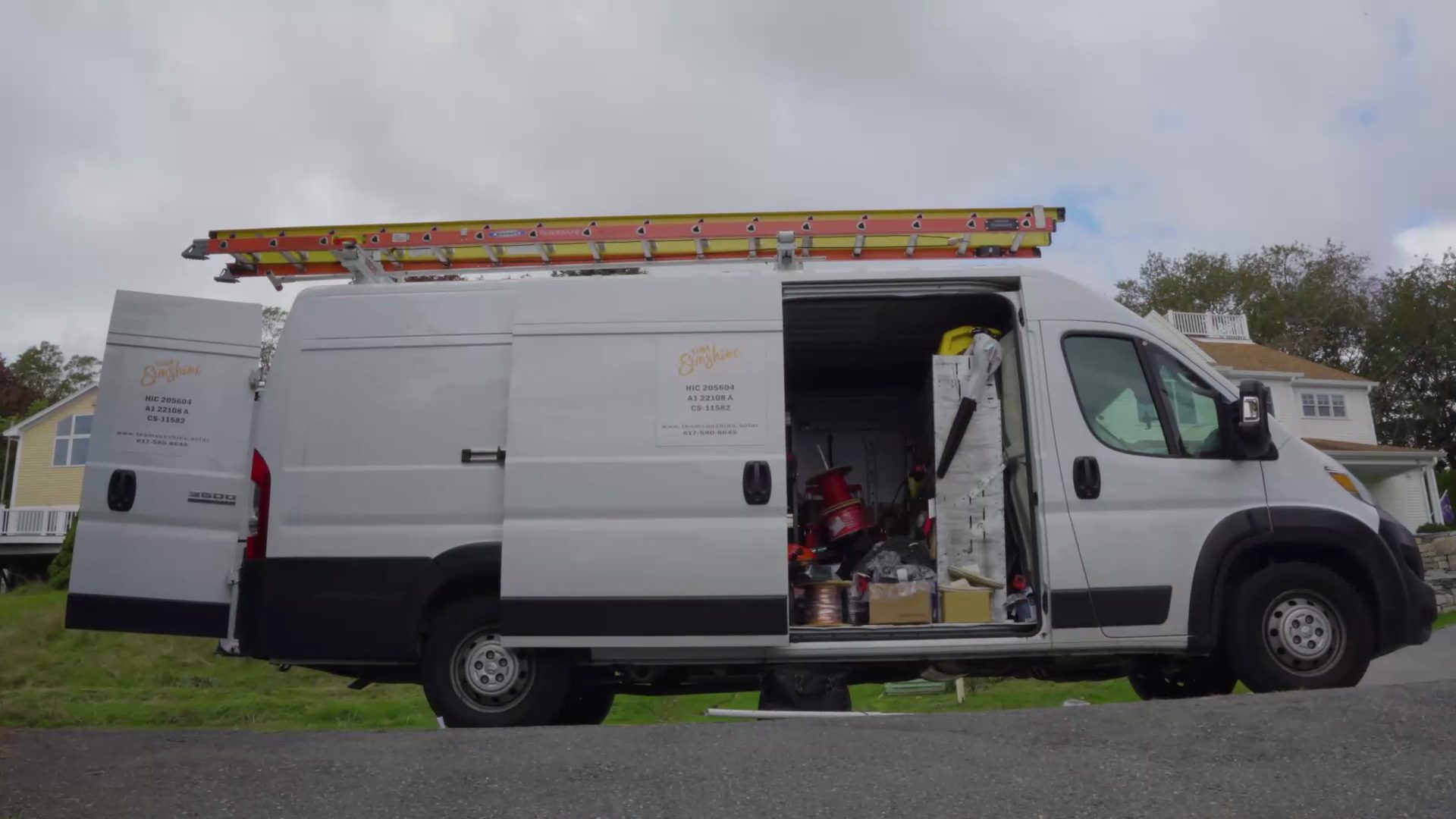
Get started
Let's see what your home qualifies for.
A free assessment, in-home or virtual. No pressure — just a plan built for your house.
Modernizing Homes Since 2019 · Made with ♥ in Massachusetts