Comfort & Air
Heat pumps & HVAC that fit the house.
Right-sized comfort that costs less to run — off oil, off baseboard, off the system that's on its last legs.

What can we help you with?
The problem
What's actually wrong
Most calls start with one of four things. They usually share a cause: a system that was never matched to the house.

Uneven rooms
The upstairs is hot in July and cold in January while the thermostat says everything is fine.
High heating bills
Oil, propane, or electric baseboard doing most of the work, and the bill shows it.
A system on its last legs
Twenty-year-old equipment that limps through each season and costs more to nurse along than to replace.
Drafts that double the workload
Air leaks and thin insulation make the furnace or boiler run twice as hard for the same comfort.
What we install
What we install
Products chosen to solve the specific problem the home has — not a catalog.
Cold-climate heat pumps
Heating and cooling in one system, rated for New England winters.
Ductless mini-splits
Room-by-room comfort for homes without ducts, additions, and finished attics.
Central systems
Ducted heat pumps and air handlers for homes that already have ductwork worth keeping.
Furnaces and boilers where they're the right answer
Sometimes a high-efficiency replacement is the honest recommendation. We'll say so.
Indoor air quality
Filtration, ventilation, and humidity control that fit the system, not bolted on after.
Smart thermostats and controls
Zoning and scheduling that let the system run gently instead of hard.
Compare
Which system is right?
Four honest options. The right one depends on the house, the fuel you have today, and what the envelope is doing.
Cold-climate heat pump
- Best for
- Whole-home heating and cooling; replacing oil, propane, or electric baseboard
- Running cost
- Lowest of the four in most homes once the envelope is tight; electric, no fuel deliveries
- Comfort
- Even, steady heat; cooling and dehumidification included
- Pairs with
- Air sealing and insulation first; solar and a battery where they fit
Ductless mini-split
- Best for
- Homes without ducts, additions, converted attics, one problem room
- Running cost
- Low; each head runs only the space it serves
- Comfort
- Precise room-by-room control; quiet indoor units
- Pairs with
- A central system in the rest of the house; smart controls
Central (ducted) system
- Best for
- Homes with ductwork in good shape; one set of controls for the whole house
- Running cost
- Depends on the ducts; leaky or uninsulated ducts raise it
- Comfort
- Familiar whole-house comfort; filtration for every room
- Pairs with
- Duct sealing, zoning, indoor air quality
Furnace or boiler
- Best for
- Homes where fuel and layout make a high-efficiency replacement the honest answer
- Running cost
- Tied to fuel prices; efficient models run well below what they replace
- Comfort
- Strong heat output; no cooling without a separate system
- Pairs with
- A heat pump for shoulder seasons and cooling; insulation
Every row assumes a real load calculation and an envelope check first. A system sized to a leaky house is the wrong system for a tight one.
How it fits the house
How we size it
Every system we install starts with a Manual J load calculation: the actual heat loss and gain of your house, room by room, from its size, orientation, windows, insulation, and air leakage. Not the square-footage rule of thumb, and not whatever size the old unit happened to be.
The envelope comes first. Air sealing, insulation, and windows change the load, so we look at them before we size the equipment. Often the right answer is a smaller system in a tighter house, which costs less to buy and less to run.
An oversized system is a worse system. It short-cycles, never runs long enough to dehumidify or reach steady temperatures, wears out faster, and leaves the rooms uneven anyway. Right-sized is quieter, more comfortable, and cheaper to operate.
Cost
Cost, and how we bring it down
Every home prices differently, so we build the plan first and give you real numbers for your house, not a range off a website.
We find and file the rebates and utility programs you qualify for as part of the job. You don't chase paperwork.
Financing is available with no money down for qualified homeowners, so the monthly cost can be weighed against the bill you're paying today.
Federal incentives changed in 2025. We confirm exactly what applies to your project at the assessment, and a tax professional reviews anything tax-related before it goes in your plan.
Programs we help you apply for
Mass Save (Massachusetts)
utility-sponsored heat pump and weatherization programs
Energize CT (Connecticut)
utility and state energy programs
NHSaves, Efficiency Vermont, Efficiency Maine
the New England utility programs by state
Eligibility and amounts change by state and by year; we confirm what applies to your project at the assessment.
Real trucks. Real crews. Real homes.
Proof you can see.
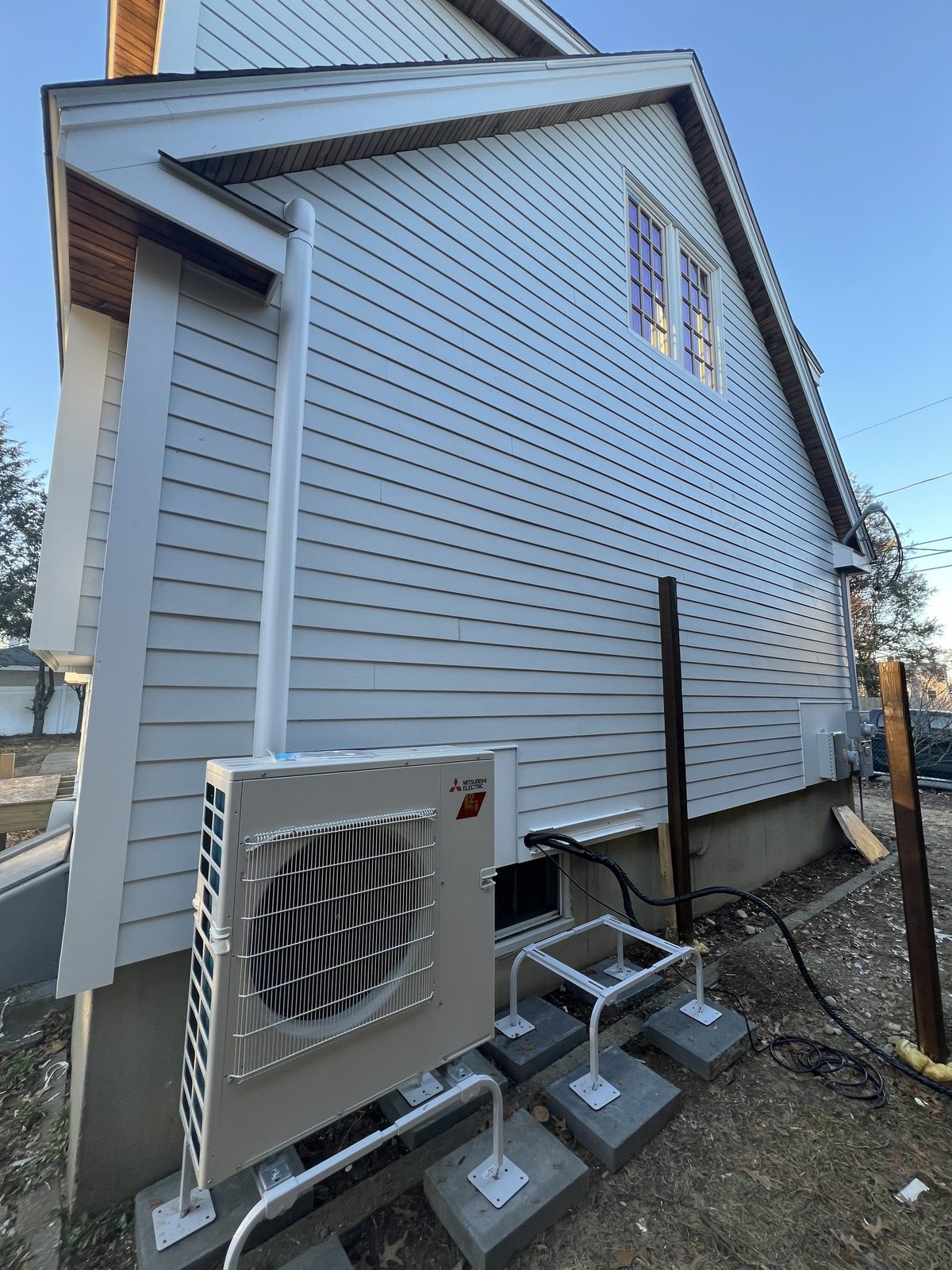
heat-pump install 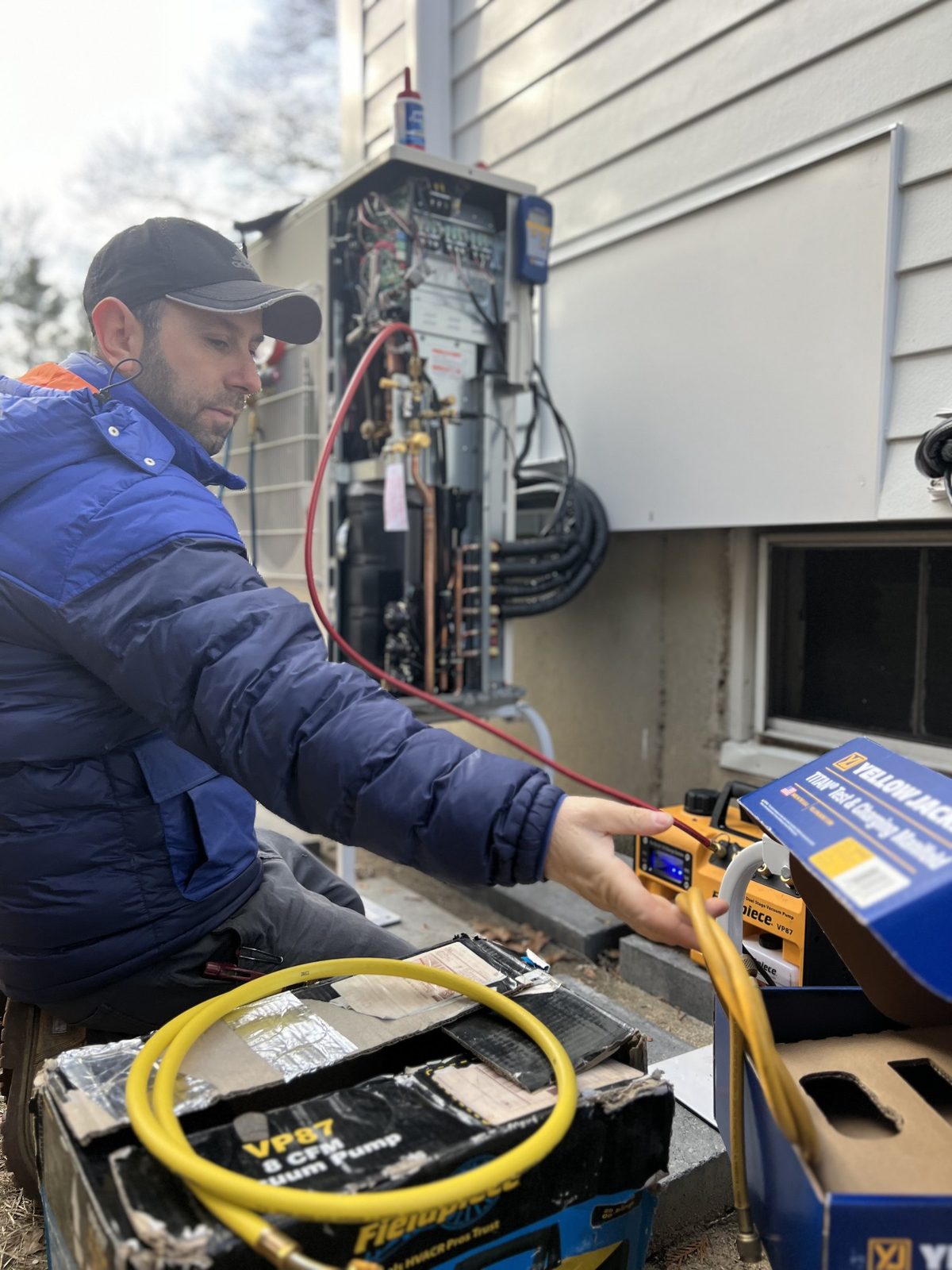
commissioning 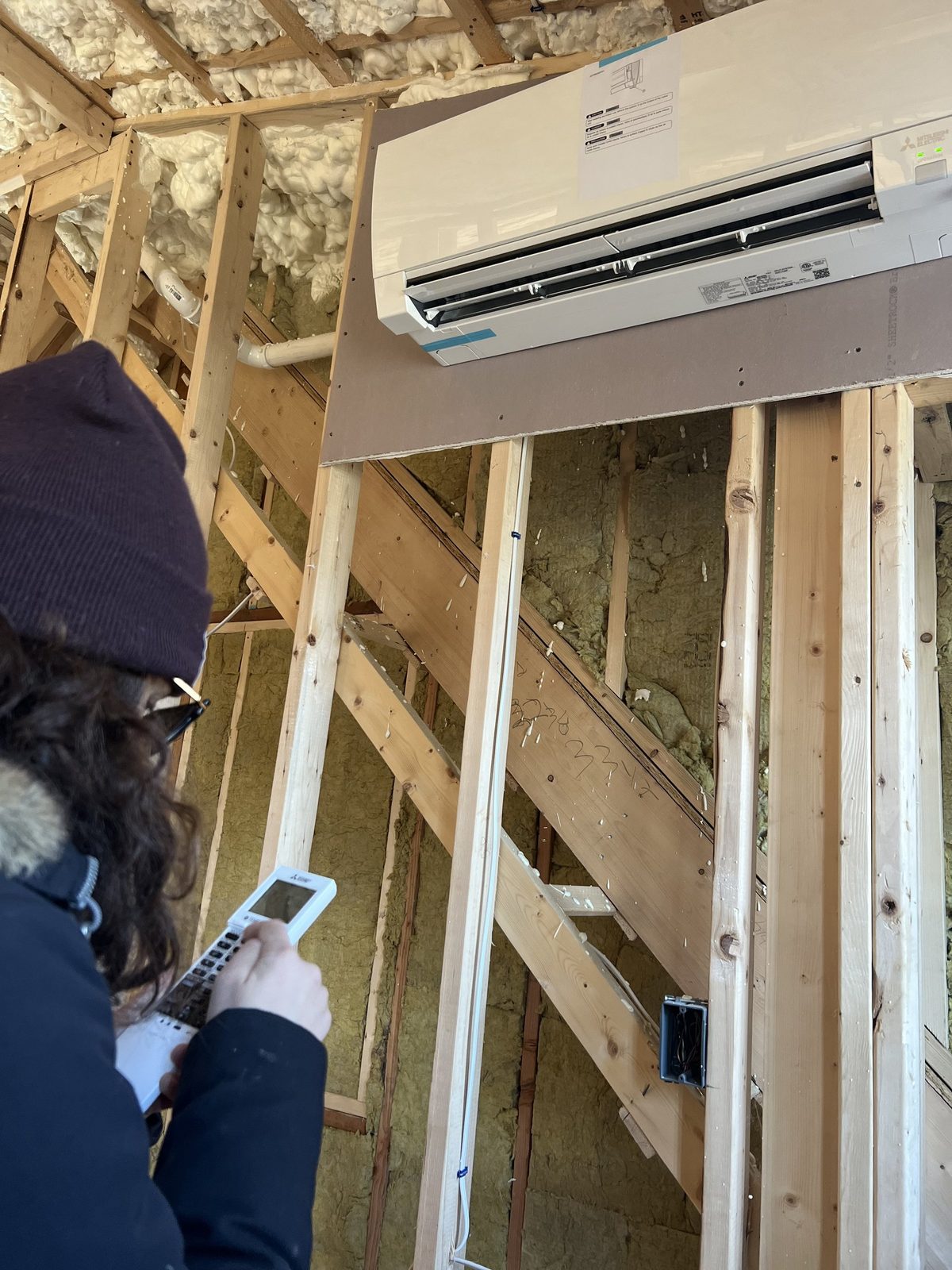
mini-split head


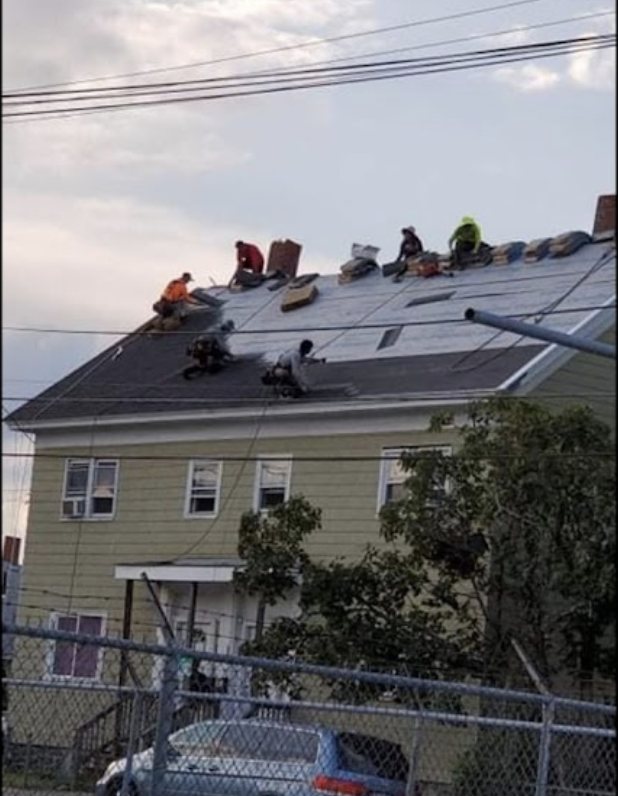
Very professional, team work, and they clean after when the project is done. I’m so impressed that it only took 2 days to finished. Thank you Ben for replacing my new roof!
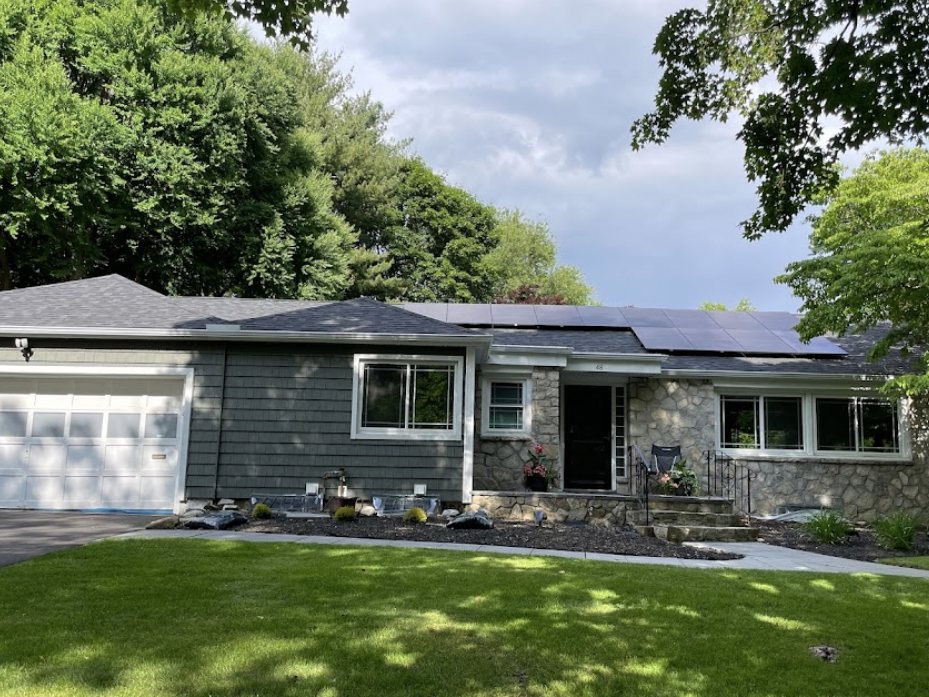
Ahmad and Team Sunshine installed 25 solar panels on our home last fall. I met Ahmad through a referral from a neighbor who had Team Sunshine install solar on his house 2 years prior. He told me how happy he was with their company and how responsive the team had been throughout the whole process. He told me two years later he was still in touch with them. I had been researching solar for a while and had just had a no show for a scheduled appointment from one company and another who wasn’t calling back…
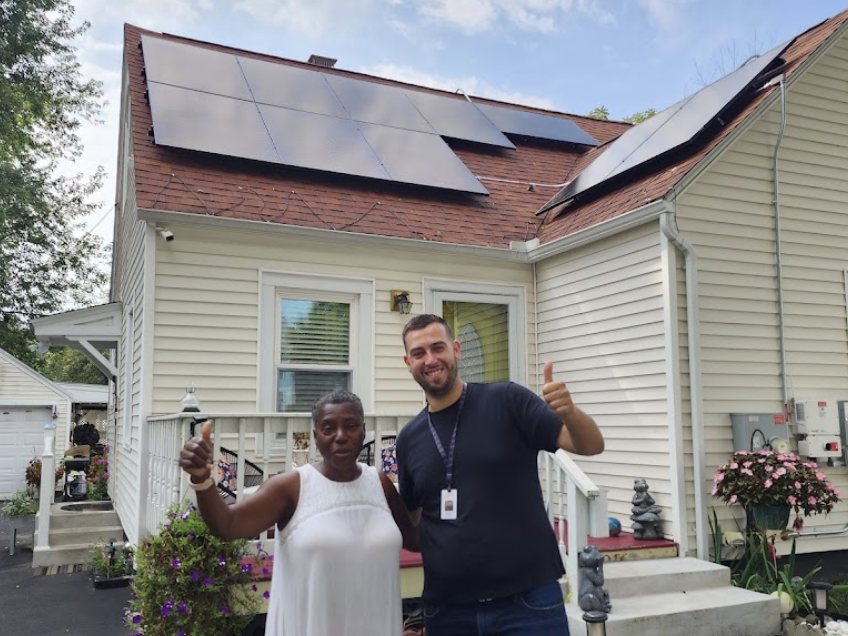
Great company, very happy with the installation . I highly recommend this great people!!


FAQ
Questions people actually ask
Plain answers, no sales voice. If yours isn’t here, the callout below reaches a person.
Will a heat pump keep my house warm in a New England winter?
Yes, when it is a cold-climate model sized to the house with a real load calculation. Modern cold-climate heat pumps are built to deliver full heat well below zero, and pairing one with air sealing and insulation is what keeps the whole house steady on the coldest nights.
Heat pump vs furnace — which is cheaper to run?
In most homes a cold-climate heat pump costs less to run than oil, propane, or electric baseboard, and it also provides cooling. Against a natural gas furnace the answer depends on local electricity and gas prices, which is why we run the numbers for your house instead of quoting a rule of thumb.
Do I need ducts?
No. Ductless mini-splits heat and cool room by room with no ductwork at all, and they are the usual answer for older homes, additions, and finished attics. If your house already has ducts in good condition, a ducted heat pump can use them.
How long does installation take?
Most residential heat pump and mini-split installations are completed in one to a few days on site, depending on the number of zones and whether electrical or duct work is part of the job. We give you the schedule in the plan before any work starts.
Are there rebates?
Usually, through your state or utility, and they change by state and by year. We identify the programs you qualify for and file the paperwork as part of the job, and we confirm what applies to your project at the assessment.
Can I pair it with solar?
Yes. A heat pump runs on electricity, so a solar array sized to the new load can offset a large share of what it uses. We look at the roof, the envelope, and the heating load together so the pieces are sized for each other.
Still have a question?
A Home Advisor picks up — no phone tree.
Two climates, one team
Where you live changes the answer, and our plan does too.
New England and the Mid-Atlantic are heating-dominant: cold snaps, ice dams, and drafts decide the system. Florida is cooling and humidity, where the right answer is efficient cooling, moisture control, and equipment built for heat and storms.
Where we work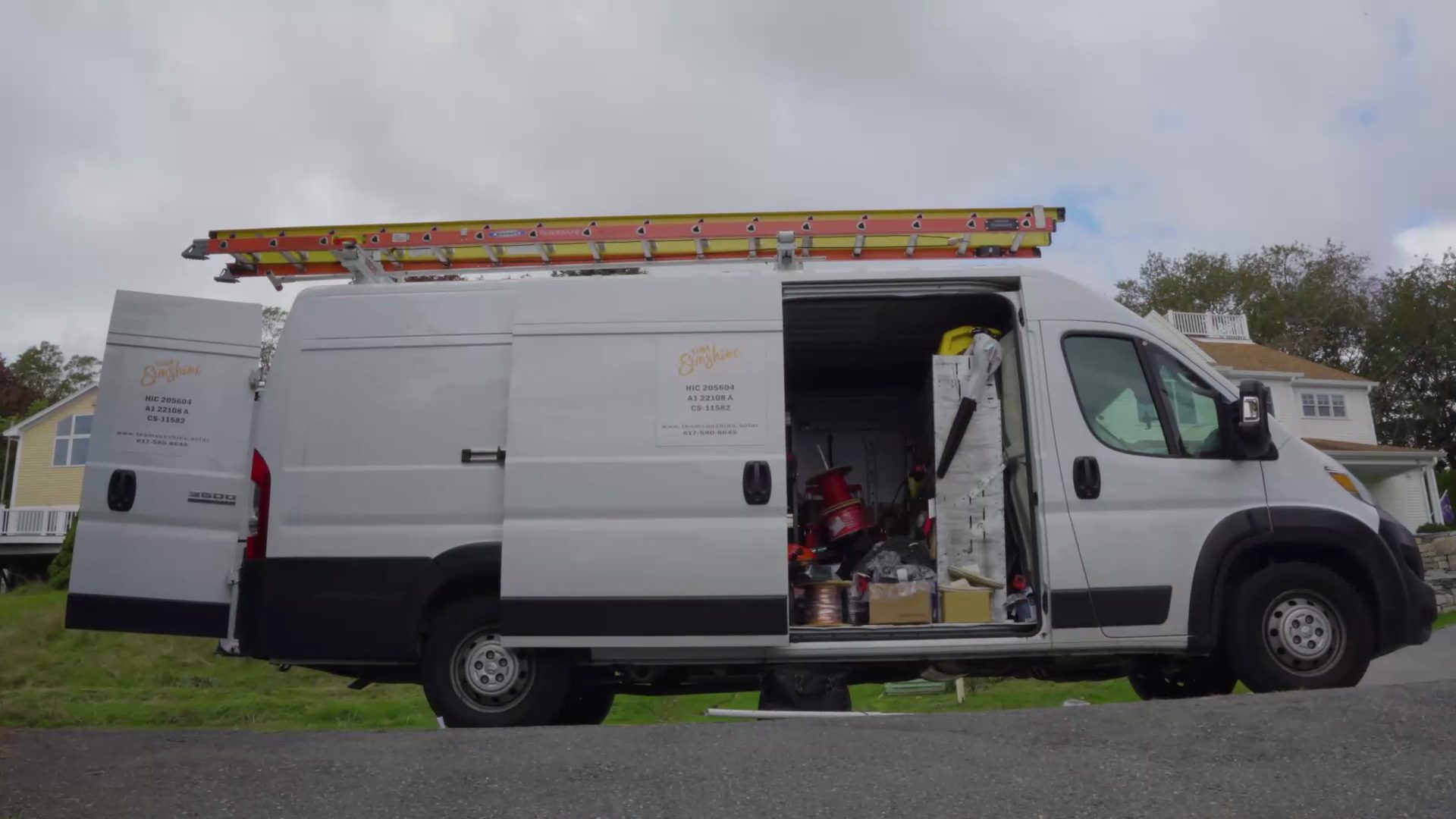
Get started
Let's see what your home qualifies for.
A free assessment, in-home or virtual. No pressure — just a plan built for your house.
Modernizing Homes Since 2019 · Made with ♥ in Massachusetts