Power & Resilience
The street goes dark. The house doesn't.
A battery, a generator, or both — sized to the loads that matter, switched over automatically, installed by the electricians who wired the rest of the house.

What can we help you with?
The problem
What an outage actually costs
Outages in our territory aren't rare and they aren't short. The question is what fails in your house when the power does.
A cold house in a January storm
A heat pump or a furnace with no power is a house that's dropping a degree an hour with the pipes right behind it.
A sump pump that stops
The nor'easter that knocks the power out is the same one filling the basement.
A week without power after a hurricane
In Florida it's the refrigerator, the air conditioning, and medical equipment through days of heat.
Working from home with no home
Internet, the office, and the phone all go quiet the moment the line does.
What we install
What we install
Backup matched to the outage you actually get and the loads you actually need.
Home battery systems
Lithium storage with a hybrid inverter, sized to run the critical loads overnight and recharge from solar by day.
Automatic standby generators
Natural gas or propane units that start within seconds of an outage and run for as long as the fuel does.
Critical-loads panels
The heat, the well or sump pump, the refrigerator, the internet, and the rooms you'll live in, separated so the backup runs what matters.
Whole-home backup
Larger batteries or generators that carry the entire panel, including the heat pump and the EV charger.
Transfer switches and interconnection
Automatic transfer, utility-approved interconnection, and the permits, by our own licensed electricians.
Grid programs
Enrollment in utility battery programs that pay you for supporting the grid at peak.
Compare
Battery or generator?
Two honest answers to the same problem. Many homes end up with both: a battery for the short, frequent outages and a generator for the long ones.
Home battery
- Best for
- Frequent short outages; homes with solar; no gas line; quiet neighborhoods
- Runtime
- Hours to a day or more on critical loads; indefinitely with solar and sun
- What it's like to live with
- Silent, instant, no fuel, no maintenance; earns money in utility programs
- Pairs with
- Solar; a critical-loads panel; a heat pump sized for the house
Standby generator
- Best for
- Multi-day outages; whole-home backup; homes with natural gas or a propane tank
- Runtime
- As long as the fuel supply lasts
- What it's like to live with
- Starts in seconds; runs loud; needs annual service and fuel
- Pairs with
- A battery to cover the first seconds and the short outages so the generator rarely runs
Battery + generator
- Best for
- Homes that want silence for the common outage and endurance for the rare one
- Runtime
- Battery first, generator when the battery runs low
- What it's like to live with
- The best of both; the generator starts only when it has to
- Pairs with
- Solar; whole-home transfer; EV charging
Florida homes lean toward generators and larger batteries because the outages run days, not hours; New England homes often start with a battery.
How it fits the house
How backup fits the rest of the house
Backup is sized to the loads, and the loads are set by everything else in the house. A right-sized heat pump in a tight house draws far less than an oversized one in a leaky house, which means a smaller battery carries it longer. That's why the envelope and the HVAC come first in the plan even when resilience is the reason you called.
Solar and a battery are a pair. Solar alone shuts down in an outage; a battery alone runs down. Together the array recharges the battery by day and the house runs through a multi-day event. If solar is anywhere in your plan, the battery and the inverter are chosen to work with it.
The electrical panel is where it all meets. Backup often needs a panel upgrade or a critical-loads sub-panel, and an EV charger or a heat pump changes what that panel has to carry. Our electricians design the panel, the transfer switch, and the interconnection as one job, and pull the permits.
Cost
Cost, and how we bring it down
Backup is priced on capacity and on the electrical work: the size of the battery or generator, whether it's critical-loads or whole-home, the transfer equipment, and any panel upgrade. We size it to your outage history and your loads, and the number in your plan is for your house.
Utility battery programs in several of our states pay homeowners for letting the battery support the grid on peak days, and those payments offset a meaningful share of the cost over the program's life. We enroll you as part of the job.
Financing is available for qualified homeowners so the house can be ready before the next storm rather than after it.
The federal residential credit that covered home batteries (Section 25D) ended on December 31, 2025, and does not apply to systems purchased with cash or a loan in 2026. There is no federal credit for a standby generator. We confirm exactly what applies at the assessment, and a tax professional reviews anything tax-related before it goes in your plan.
Programs we help you apply for
ConnectedSolutions (MA, CT, RI, NH)
utility payments for battery peak-shaving enrollment
Massachusetts SMART battery adder
additional incentive for storage paired with solar
Utility and state battery programs (NJ, PA, MD, FL)
programs vary by utility and by year
Eligibility and amounts change by state and by year; we confirm what applies to your project at the assessment.
Real trucks. Real crews. Real homes.
Proof you can see.
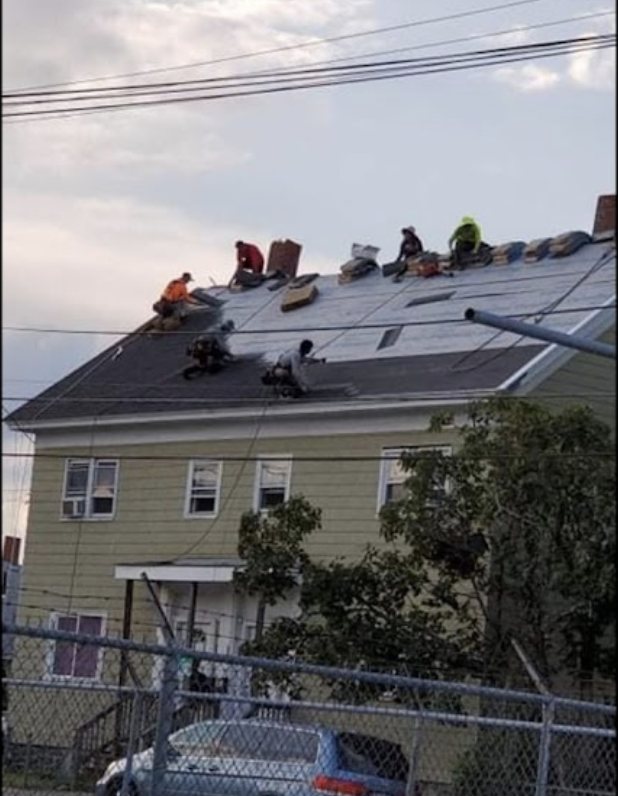
Very professional, team work, and they clean after when the project is done. I’m so impressed that it only took 2 days to finished. Thank you Ben for replacing my new roof!
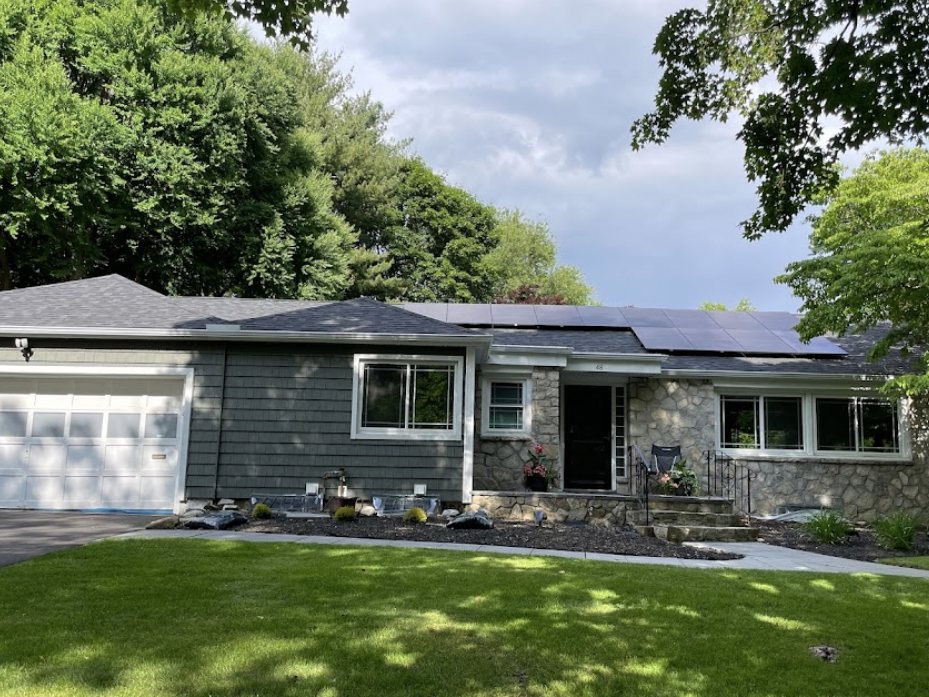
Ahmad and Team Sunshine installed 25 solar panels on our home last fall. I met Ahmad through a referral from a neighbor who had Team Sunshine install solar on his house 2 years prior. He told me how happy he was with their company and how responsive the team had been throughout the whole process. He told me two years later he was still in touch with them. I had been researching solar for a while and had just had a no show for a scheduled appointment from one company and another who wasn’t calling back…
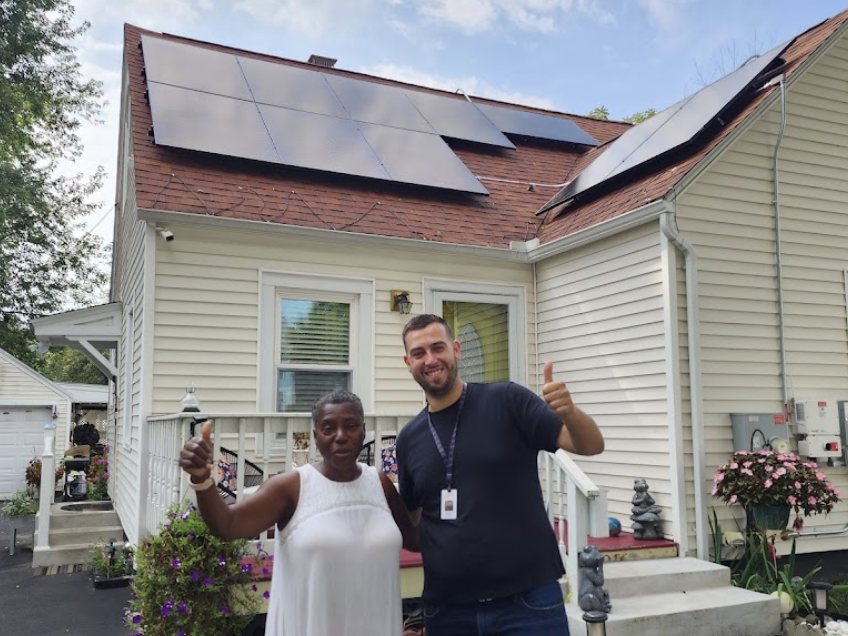
Great company, very happy with the installation . I highly recommend this great people!!


FAQ
Questions people actually ask
Plain answers, no sales voice. If yours isn’t here, the callout below reaches a person.
How long will a battery run my house?
It depends on the battery's capacity and what you're running. Sized to a critical-loads panel, a typical home battery carries the heat, the refrigerator, the sump pump, the internet, and lights overnight or longer; paired with solar it recharges by day and runs indefinitely in reasonable weather. We size it to your loads and show you the runtime before you buy.
Do I need a generator if I have a battery?
For most New England homes a battery covers the common outage. For a multi-day event, or for whole-home backup including a heat pump and an EV, a generator or a much larger battery is needed. Many homes pair the two so the generator only starts when the battery runs low.
Will the backup run my heat pump?
Yes, if it's sized for it. A cold-climate heat pump in a well-insulated house is a manageable load; an oversized one in a leaky house is not. This is why the envelope and the HVAC sizing come first in the plan.
Does the switchover happen automatically?
Yes. A battery switches over instantly; most homes don't notice. A standby generator starts and transfers within seconds. Both return to the grid automatically when the power comes back.
Can I add a battery to my existing solar?
Usually. Depending on the inverter, the battery either works with the existing system or replaces the inverter with a hybrid unit. We check what's on the roof and tell you which one applies before quoting.
What about hurricanes in Florida?
Florida outages run days, so the plan leans toward a standby generator, a larger battery, or both, with whole-home transfer so the air conditioning keeps running. Equipment is placed and anchored to the wind code and above the flood elevation.
Still have a question?
A Home Advisor picks up — no phone tree.
Two climates, one team
Where you live changes the backup, and our plan does too.
In New England and the Mid-Atlantic the outage is a nor'easter or an ice storm in the cold, so the backup has to carry the heat and the sump pump, and a battery often does. In Florida it's a hurricane in the heat, with days without power, so generators, larger batteries, and whole-home transfer for the air conditioning lead instead.
Where we work
Get started
Let's see what your home qualifies for.
A free assessment, in-home or virtual. No pressure — just a plan built for your house.
Modernizing Homes Since 2019 · Made with ♥ in Massachusetts