Envelope & Durability
Stop the drafts. Everything else gets easier.
Air sealing and insulation are step one of a comfortable house: fewer leaks, steadier rooms, and a heating system that can finally be sized to the home instead of to the wind.

What can we help you with?
The problem
What a leaky envelope does to a house
Most New England homes lose a large share of their heat through air leaks and thin insulation, not through the furnace. The symptoms show up as comfort problems first.
Drafts you can feel
Cold air at the baseboards, around outlets, and at the top of the stairs on a windy night.
Rooms that never even out
The upstairs is cold in January and hot in July while the thermostat insists everything is fine.
Bills that don't match the house
The system runs constantly because the heat it makes leaves through the attic and the rim joist.
Ice dams and a musty basement
Warm air leaking into the attic melts snow at the ridge; damp air leaking into the basement condenses on the walls.
What we install
What we install
The envelope work that pays back, in the order the house needs it.
Attic air sealing
Every plumbing chase, wiring hole, top plate, and hatch sealed before a single inch of insulation goes down.
Blown cellulose and fiberglass
Attic floors brought to the right depth with baffles at the eaves so the roof keeps breathing.
Dense-pack wall insulation
Existing walls filled from small openings, without opening the plaster.
Spray foam where it earns its place
Rim joists, cathedral ceilings, and knee walls where nothing else seals and insulates in one pass.
Basement and crawlspace
Rim joists, foundation walls, and vapor control so the floor above stops feeling like the ground below.
Ventilation that goes with it
A tighter house needs planned fresh air; bath fans vented outside and balanced ventilation where the numbers call for it.
How it fits the house
Why the envelope comes first
Every system in the house is sized to the load, and the load is set by the envelope. Air sealing and insulation can cut a home's heat loss enough that the next furnace or heat pump is a size smaller, which costs less to buy, runs quieter, and cycles less. That's why we look at the envelope before we quote any mechanical.
We start with a blower-door test and, in winter, an infrared camera. The blower door pressurizes the house and shows exactly how leaky it is; the camera shows where. Then we seal the big leaks first, the attic plane and the rim joist, and only then add insulation. Insulation over leaks is a filter, not a barrier.
It also protects the roof and the walls. A cold, dry attic doesn't grow ice dams. A sealed rim joist doesn't sweat. Windows, siding, and roofing all last longer over an envelope that is doing its job.
Cost
Cost, and how we bring it down
Envelope work is priced by the area, the access, and the method, and the blower-door numbers tell us which parts of the house are worth doing. Your plan lists them in order of payback so you can do all of it or the first pieces.
Air sealing and insulation are the most heavily subsidized work in New England. The utility programs cover a large share of the cost in most states, and we handle the assessment, the paperwork, and the scheduling as part of the job.
Because envelope work lowers the load, it also lowers the price of the heat pump or furnace that follows it. We show both numbers together.
Federal incentives for insulation changed in 2025. We confirm exactly what applies to your project at the assessment, and a tax professional reviews anything tax-related before it goes in your plan.
Programs we help you apply for
Mass Save (Massachusetts)
no-cost home energy assessment and insulation incentives
Energize CT (Connecticut)
Home Energy Solutions assessment and insulation rebates
NHSaves, Efficiency Vermont, Efficiency Maine
weatherization programs by state
New Jersey, Pennsylvania, Maryland utility programs
utility-run weatherization and assessment programs
Eligibility and amounts change by state and by year; we confirm what applies to your project at the assessment.
Real trucks. Real crews. Real homes.
Proof you can see.
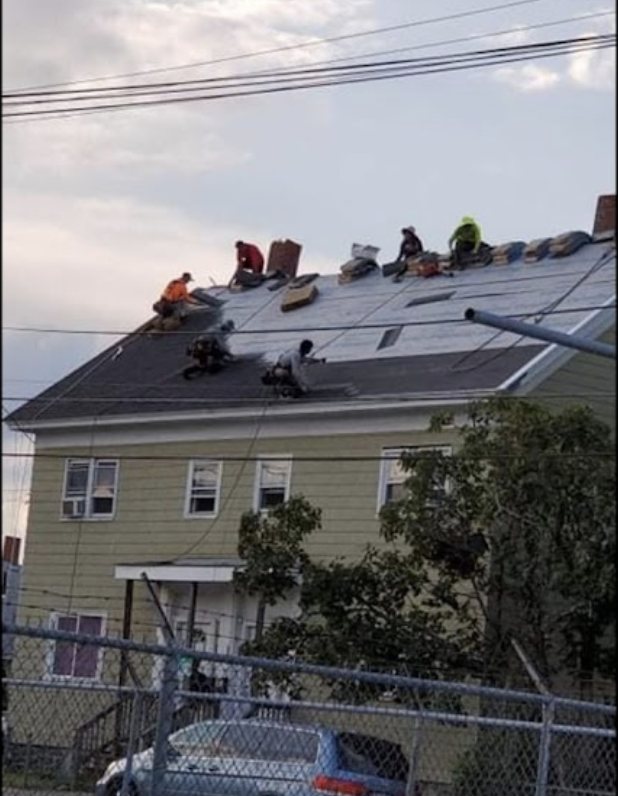
Very professional, team work, and they clean after when the project is done. I’m so impressed that it only took 2 days to finished. Thank you Ben for replacing my new roof!
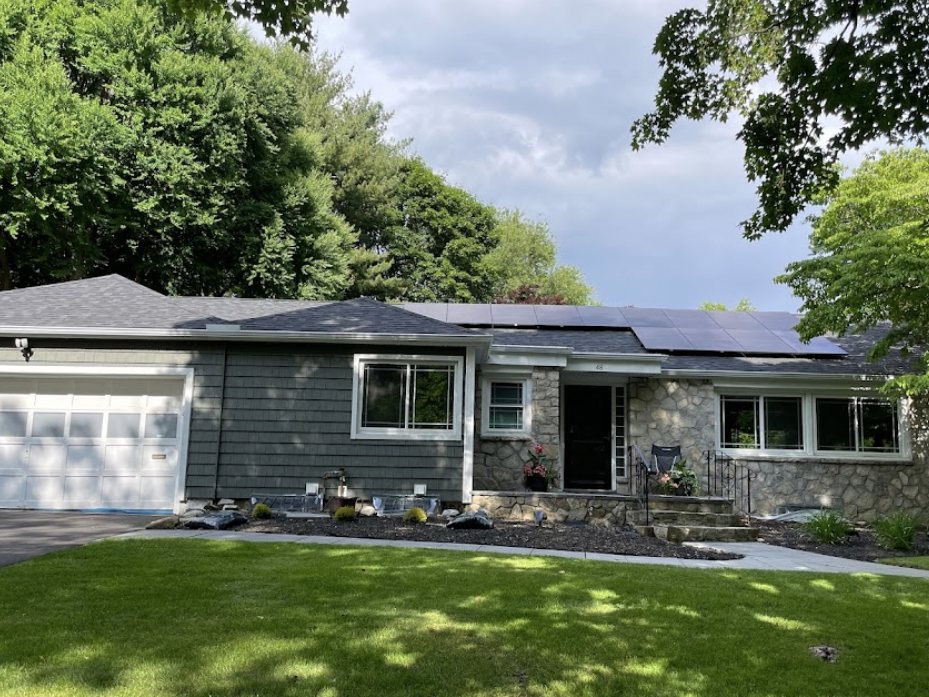
Ahmad and Team Sunshine installed 25 solar panels on our home last fall. I met Ahmad through a referral from a neighbor who had Team Sunshine install solar on his house 2 years prior. He told me how happy he was with their company and how responsive the team had been throughout the whole process. He told me two years later he was still in touch with them. I had been researching solar for a while and had just had a no show for a scheduled appointment from one company and another who wasn’t calling back…
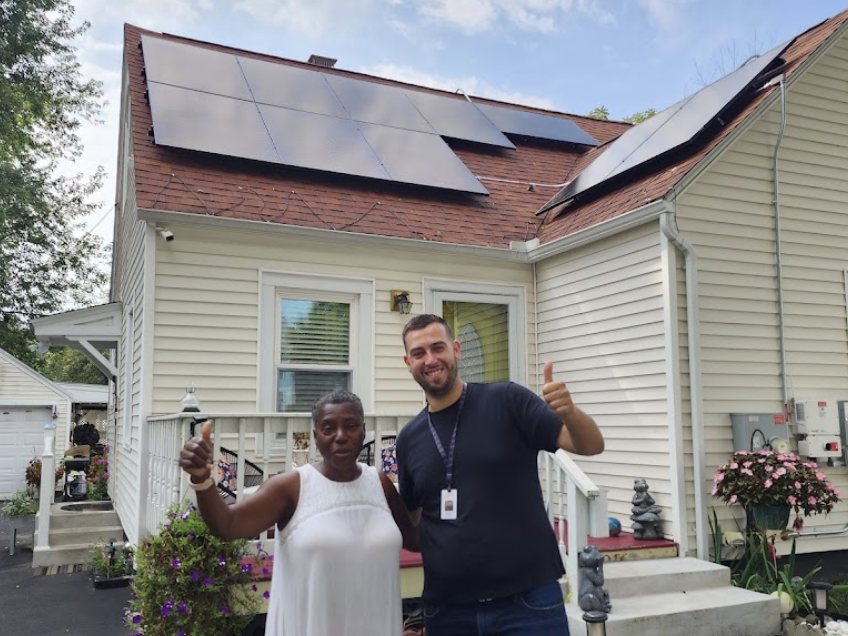
Great company, very happy with the installation . I highly recommend this great people!!


FAQ
Questions people actually ask
Plain answers, no sales voice. If yours isn’t here, the callout below reaches a person.
Should I insulate before replacing my heating system?
Usually, yes. Air sealing and insulation reduce the heat the house loses, which lets the new system be sized smaller and run less. Doing the envelope first also means the load calculation for the new equipment is based on the house you'll actually have.
Where does a house lose the most heat?
Through the attic plane and the basement rim joist, in most older homes, and through air leaks more than through the insulation itself. That's why we seal before we insulate and why the attic and the basement come before the walls.
Is spray foam better than cellulose?
It's different. Spray foam seals and insulates in one pass, which makes it the right choice for rim joists, cathedral ceilings, and knee walls. For an open attic floor, sealing the leaks by hand and blowing cellulose to depth performs as well for less, and it's easier to service later.
Will a tighter house have air-quality problems?
Not when the ventilation is planned. A tighter house needs its bathroom fans and range hood vented outside and, past a certain tightness, a balanced ventilation system that brings in filtered fresh air. We size that as part of the envelope work, not as an afterthought.
How long does insulation work take?
An attic air-seal and insulation is typically a day. Adding dense-pack walls or basement work can extend it to two or three. Nothing has to be moved out of the living space, and we leave the attic hatch insulated and weatherstripped when we're done.
Does insulation matter in Florida?
Yes, but the target is different. In Florida the job is keeping heat and humidity out: radiant barriers, sealed attics, and duct sealing matter more than depth on the attic floor, and vapor control has to be designed for a cooling climate.
Still have a question?
A Home Advisor picks up — no phone tree.
Two climates, one team
Where you live changes the envelope, and our plan does too.
In New England and the Mid-Atlantic the envelope is keeping heat in and ice dams off: attic air sealing, depth on the attic floor, and a sealed rim joist. In Florida it's keeping heat and moisture out: radiant barriers, sealed attics, duct sealing, and vapor control designed for a cooling climate.
Where we work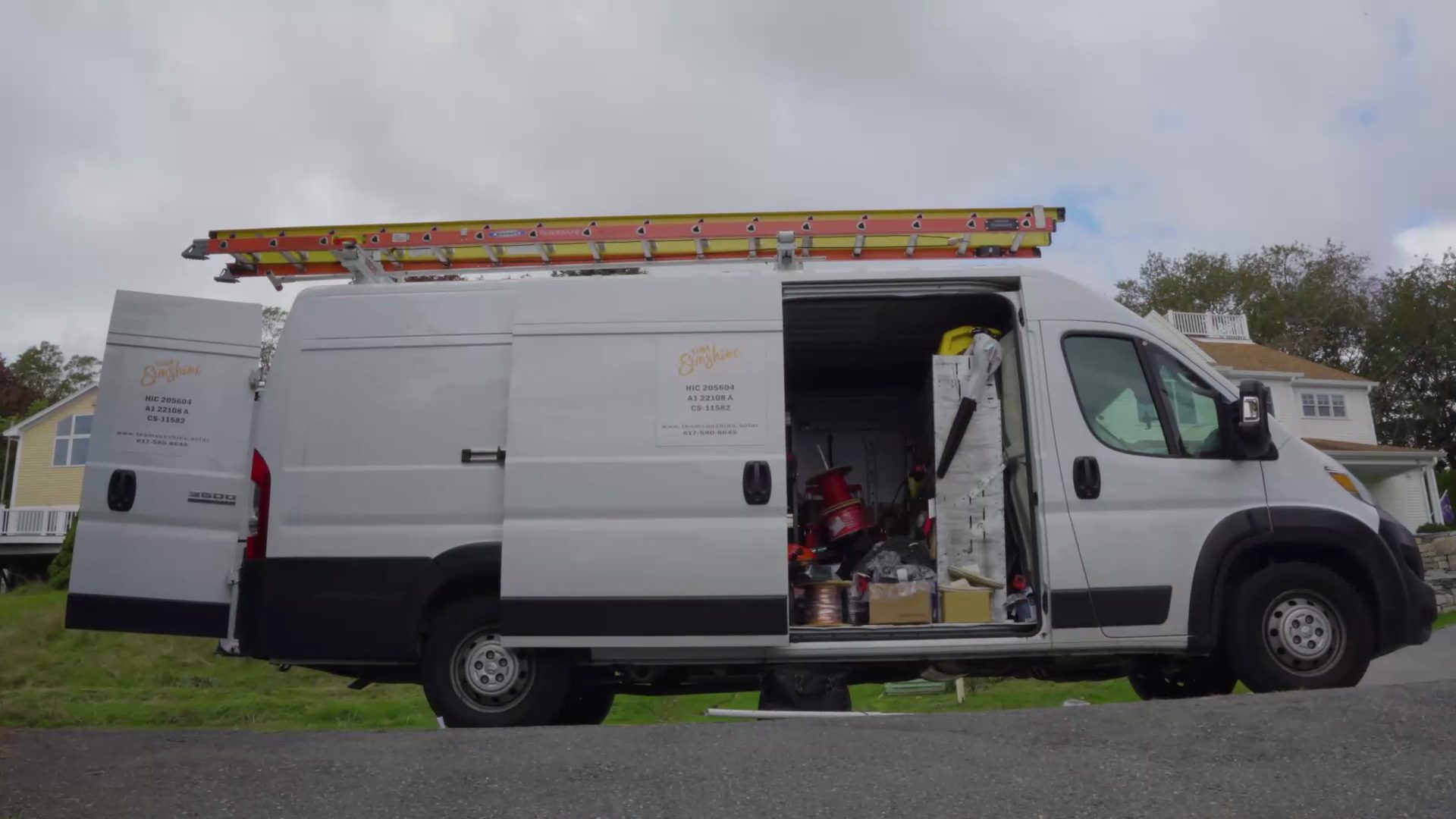
Get started
Let's see what your home qualifies for.
A free assessment, in-home or virtual. No pressure — just a plan built for your house.
Modernizing Homes Since 2019 · Made with ♥ in Massachusetts