Power & Resilience
The electrical that everything else depends on.
Panel and service upgrades, rewiring, and the circuits a modern house needs — by our own licensed electricians, so the heat pump, the battery, and the charger all land on a panel that can carry them.

What can we help you with?
The problem
What an old panel is holding back
Most of the homes we modernize were wired for a different era. The panel is where that catches up with you.
A 100-amp service with 2026 loads
A heat pump, an EV charger, an induction range, and a dryer don't fit on a panel sized for a house with a gas furnace and no car in the garage.
Fuses, Federal Pacific, or a panel that's full
Some panels are a fire risk by brand; others are simply out of space. Both stop the next project cold.
Flickering lights and tripping breakers
Loose connections, overloaded circuits, and aluminum branch wiring are safety problems, not quirks.
Knob-and-tube and ungrounded outlets
Old wiring blocks insulation work, fails inspections, and can't safely carry modern loads.
What we install
What we install
The electrical work that modernization needs, done to code by our own crew.
Panel upgrades
New 200-amp (or larger) panels with room for what's coming, labeled and inspected.
Service upgrades
Coordinating the utility, the meter, and the service entrance when the house needs more than the line delivers.
Dedicated circuits
Heat pumps, EV chargers, ranges, dryers, hot tubs, and workshops each on the circuit they need.
Rewiring
Knob-and-tube and aluminum replaced, grounding fixed, and the outlets a family actually uses.
Sub-panels and load management
Critical-loads panels for backup, sub-panels for detached buildings, and smart load management where it avoids an upgrade.
Surge protection, lighting, and outdoor power
Whole-home surge protection, lighting upgrades, and weather-rated power for the yard, the driveway, and the structures in it.
How it fits the house
How electrical fits the rest of the house
Every system we install ends at the panel. A heat pump needs a dedicated circuit and a disconnect; a battery needs a hybrid inverter and often a critical-loads panel; solar needs an interconnection; an EV charger needs capacity. Because our electricians are the same crew that installs those systems, the electrical is designed once, for all of it, instead of patched in project by project.
The first step is a load calculation, not a guess. It tells us what the panel is carrying, what the plan adds, and whether the honest answer is a service upgrade, a panel upgrade, or load management that shares the capacity you already have. Load management is often the cheapest path and the one other contractors skip.
Old wiring also blocks the envelope. Knob-and-tube can't be buried in insulation, so a rewire is sometimes the first step of an insulation job. We sequence the two so the attic gets done once.
Cost
Cost, and how we bring it down
Electrical work is priced on the scope: a panel swap is a defined job, a service upgrade adds the utility coordination, and a rewire is priced per circuit and by access. We do the load calculation first so the number in your plan is for the work your house actually needs.
When the electrical is part of a heat pump, solar, battery, or EV project, it's often covered or partly covered by the same programs those projects qualify for. We fold it into the plan and file it together.
Load management often avoids a service upgrade entirely, which is the single biggest electrical cost most homes can skip. We tell you when that's the case.
Federal incentives for electrical panel upgrades changed in 2025 and depend on what the panel is being upgraded for. We confirm exactly what applies at the assessment, and a tax professional reviews anything tax-related before it goes in your plan.
Programs we help you apply for
Mass Save and the New England utility programs
electrical work bundled with heat pump and weatherization projects, where covered
Utility EV and battery programs
panel work that qualifies as part of a charger or battery install
Home electrification programs by state
state programs for panel upgrades tied to electrification, where offered
Eligibility and amounts change by state and by year; we confirm what applies to your project at the assessment.
Real trucks. Real crews. Real homes.
Proof you can see.
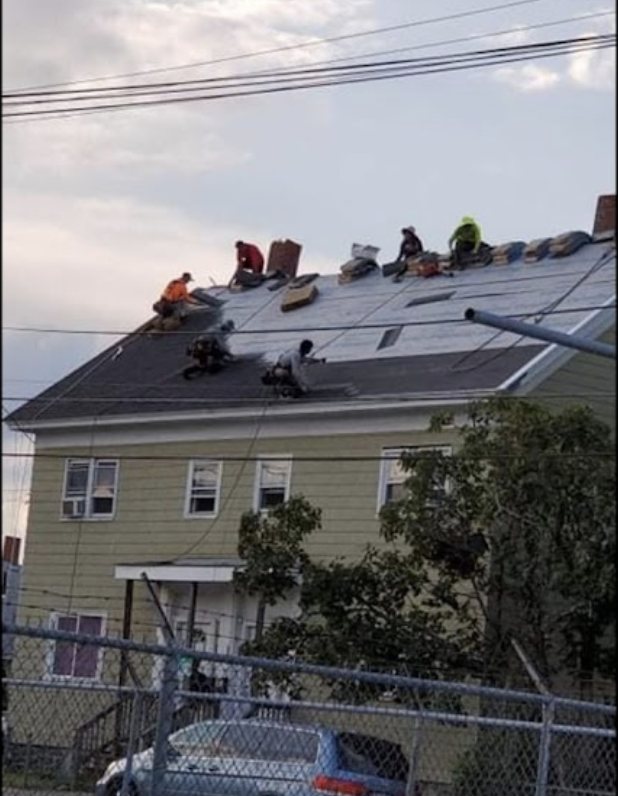
Very professional, team work, and they clean after when the project is done. I’m so impressed that it only took 2 days to finished. Thank you Ben for replacing my new roof!
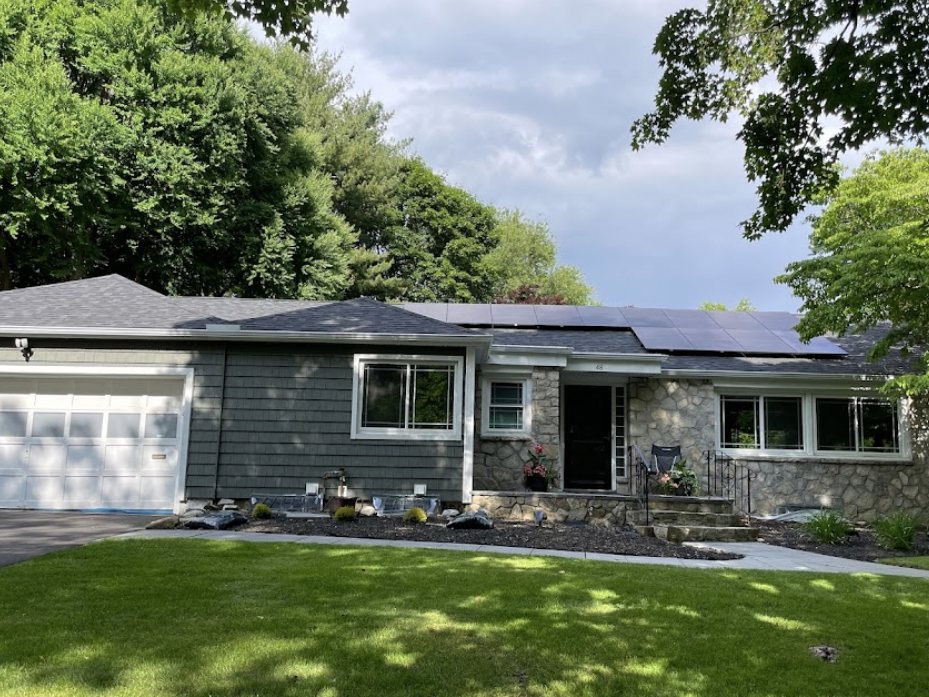
Ahmad and Team Sunshine installed 25 solar panels on our home last fall. I met Ahmad through a referral from a neighbor who had Team Sunshine install solar on his house 2 years prior. He told me how happy he was with their company and how responsive the team had been throughout the whole process. He told me two years later he was still in touch with them. I had been researching solar for a while and had just had a no show for a scheduled appointment from one company and another who wasn’t calling back…
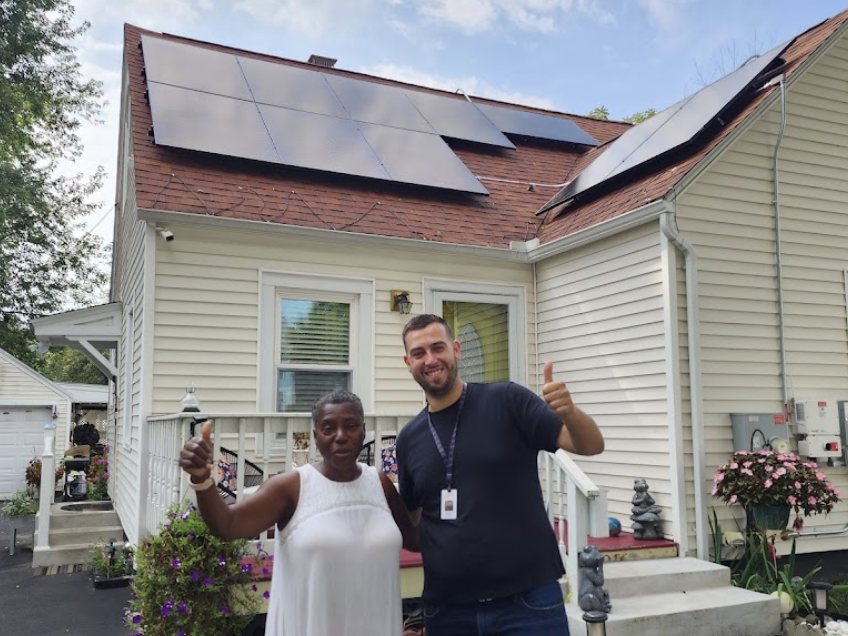
Great company, very happy with the installation . I highly recommend this great people!!


FAQ
Questions people actually ask
Plain answers, no sales voice. If yours isn’t here, the callout below reaches a person.
Do I need a 200-amp panel for a heat pump?
Not always. A load calculation tells us what the panel can carry; many homes add a heat pump on their existing service, sometimes with load management. When the house genuinely needs more capacity, we upgrade the panel and the service and coordinate the utility.
Is my panel dangerous?
Certain brands and generations of panels have documented failure histories and should be replaced. Fuse boxes, panels with signs of overheating, and any panel with aluminum branch wiring on the wrong connectors deserve a look. We'll tell you plainly what we find.
Can you insulate over knob-and-tube wiring?
No, and neither can anyone else, safely or to code. Active knob-and-tube in an attic has to be replaced before insulation goes in. We do the rewire and the insulation as one sequenced project.
Do you pull permits?
Always. Every panel, service, and circuit job is permitted and inspected. Our electricians are licensed in the states we work in, and the license numbers are on this site.
How long does a panel upgrade take?
A panel swap is typically a day, with the power off for part of it. A service upgrade adds the utility's schedule, which we coordinate. A rewire depends on the number of circuits and the access; we give you the schedule in the plan.
Do you do electrical work on its own, without a bigger project?
Yes. Panel upgrades, rewiring, dedicated circuits, and safety repairs are jobs on their own. Many homes start there because the electrical has to be right before anything else can be.
Still have a question?
A Home Advisor picks up — no phone tree.
Two climates, one team
Where you live changes the electrical, and our plan does too.
In New England and the Mid-Atlantic the panel is carrying a heat pump through winter and, increasingly, a car; older housing stock means more rewiring. In Florida it's carrying air conditioning through summer, with outdoor equipment rated for heat, humidity, and the wind code, and placed above the flood elevation.
Where we work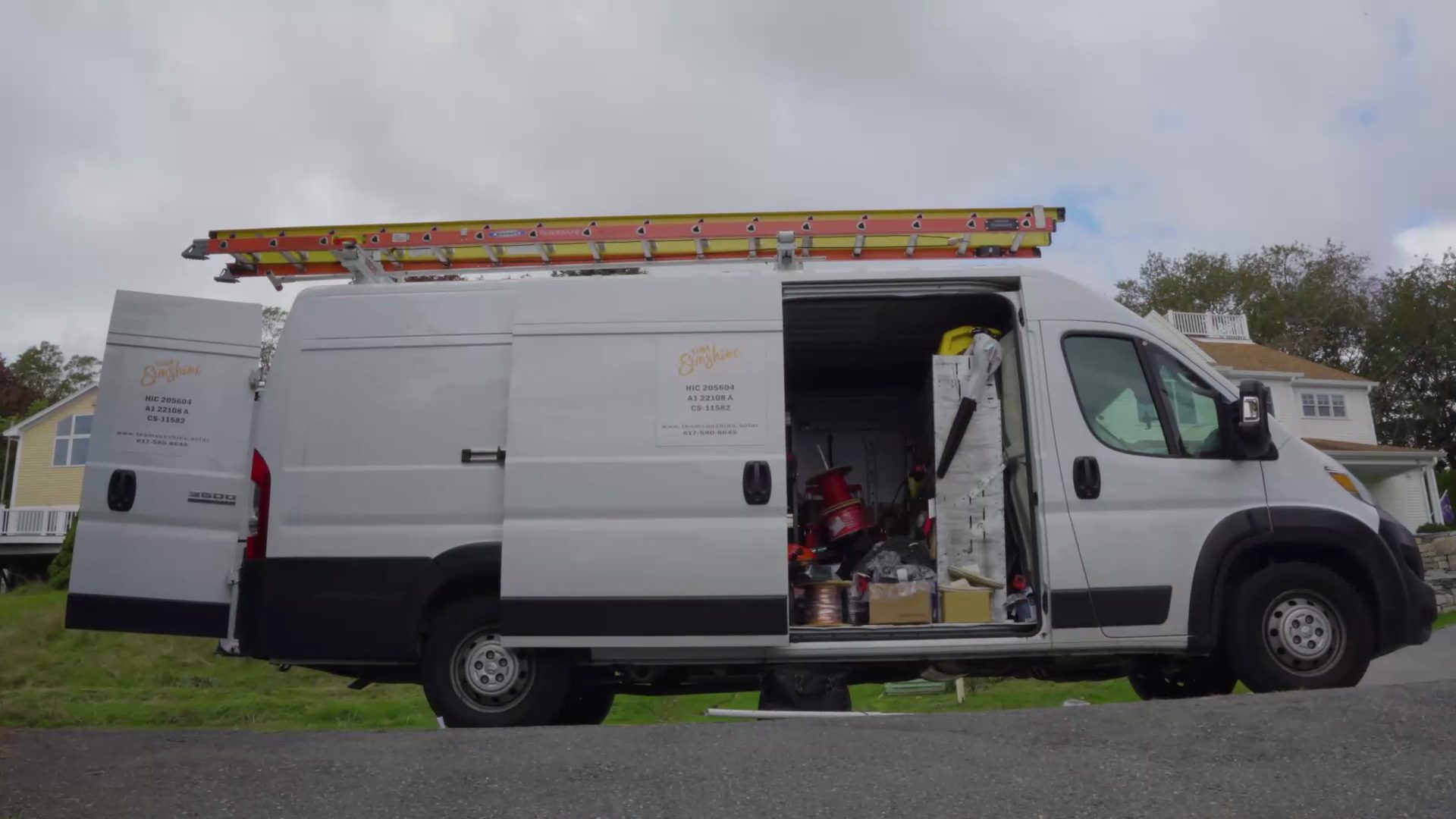
Get started
Let's see what your home qualifies for.
A free assessment, in-home or virtual. No pressure — just a plan built for your house.
Modernizing Homes Since 2019 · Made with ♥ in Massachusetts