Power & Resilience
Solar you'd build even if it didn't make power.
A shaded patio, a covered car, an outdoor room — designed to the house, engineered for the weather, and generating while it does it.

What can we help you with?
The problem
When the roof isn't the answer
Plenty of homes want solar and shouldn't put it on the roof. A ground structure solves that and gives you something you'll use every day.
A roof that faces the wrong way
North-facing, cut up by dormers, or shaded by the neighbor's oaks. Panels up there would underperform for thirty years.
A roof you don't want to touch
Slate, tile, a new metal roof, or a historic home where a rooftop array isn't allowed or isn't wanted.
A patio that's unusable at noon
You have the outdoor space; you don't have the shade. A pergola fixes the space and the bill.
A car that bakes and a driveway that ices
A carport keeps the sun off in July and the snow off in January, and charges the EV under it.
What we install
What we build
Structures designed to the house first, with the solar integrated rather than bolted on.
Solar pergolas
Aluminum or steel frames over patios and decks, with bifacial glass-on-glass panels that let dappled light through.
Solar carports
Single- and double-bay covered parking with the array as the roof, engineered for snow load and wind uplift.
Solar awnings and porch roofs
Smaller structures over doors, decks, and south-facing windows that shade in summer and generate year-round.
Footings and engineering
Stamped structural drawings, frost-depth footings in the north, wind-rated anchoring in Florida, and the permits that go with them.
Electrical and EV charging
Trenching, conduit, the interconnection, and a Level 2 charger under the carport, all by our own licensed electricians.
Lighting and finish
Integrated lighting, fans, screens, and finishes chosen to match the house, not the catalog.
Compare
Roof, pergola, or carport?
Three honest places to put solar. The right one depends on the roof, the yard, and what you'd like to get out of the structure besides power.
Rooftop array
- Best for
- A good south or west roof with years left; the lowest cost per panel
- What you get besides power
- Nothing new to use; the roof was already there
- Design freedom
- Fixed by the roof's pitch, orientation, and shape
- Pairs with
- A roof replacement done first; a battery
Solar pergola
- Best for
- A patio or deck that needs shade; a roof that's shaded, north-facing, or off-limits
- What you get besides power
- An outdoor room you'll use spring through fall
- Design freedom
- High: sized, tilted, and placed for the yard and the sun
- Pairs with
- Outdoor lighting and fans; a battery; a heat pump for the new electric load
Solar carport
- Best for
- A driveway with room; an EV; a roof that's the wrong shape
- What you get besides power
- Covered parking, snow off the car, ice off the walk
- Design freedom
- High: usually the largest array of the three
- Pairs with
- EV charging; a battery; a standby generator for the rest of the house
Every structure gets a stamped engineering drawing for your snow and wind zone before we build it.
How it fits the house
How a solar structure fits the house
This is where design and energy meet. A pergola or carport changes how the yard is used, how the house looks from the street and from the kitchen window, and where the shade falls in August. So we design it as an addition to the home: proportions, materials, and finish matched to the house, then the array integrated into that structure rather than the structure built around the array.
Electrically it is a full solar system. The array ties into the main panel, works with a battery, and is sized to the load, including any EV that will charge under it and any heat pump the house is getting. Because our electricians do the trenching, the interconnection, and the charger, there's one plan and one crew.
Structurally it has to survive the weather. In the north that means frost-depth footings and snow load; in Florida it means wind uplift and hurricane-rated anchoring. We engineer to your zone and pull the permits.
Cost
Cost, and how we bring it down
A solar structure is priced as a structure plus a solar system: the frame, footings, and finish on one side, the panels, inverter, and electrical on the other. It costs more per panel than a rooftop array and delivers something a rooftop array can't, which is why we show it next to the plain patio cover or carport you'd otherwise build.
The solar half qualifies for the same state and utility programs a rooftop system does, and the EV charger under a carport may qualify separately. We identify what applies and handle the paperwork.
Financing is available for qualified homeowners so the structure and the array can be paid for together over time.
The federal residential solar tax credit (Section 25D) ended on December 31, 2025, and does not apply to systems purchased with cash or a loan in 2026. We confirm exactly what applies to your project at the assessment, and a tax professional reviews anything tax-related before it goes in your plan.
Programs we help you apply for
Massachusetts SMART
state solar incentive; applies to ground-mounted and structure-mounted arrays
Net metering
utility credit for exported power; rules differ by state and utility
Utility EV charger rebates
where a Level 2 charger is installed with the carport
Eligibility and amounts change by state and by year; we confirm what applies to your project at the assessment.
Real trucks. Real crews. Real homes.
Proof you can see.
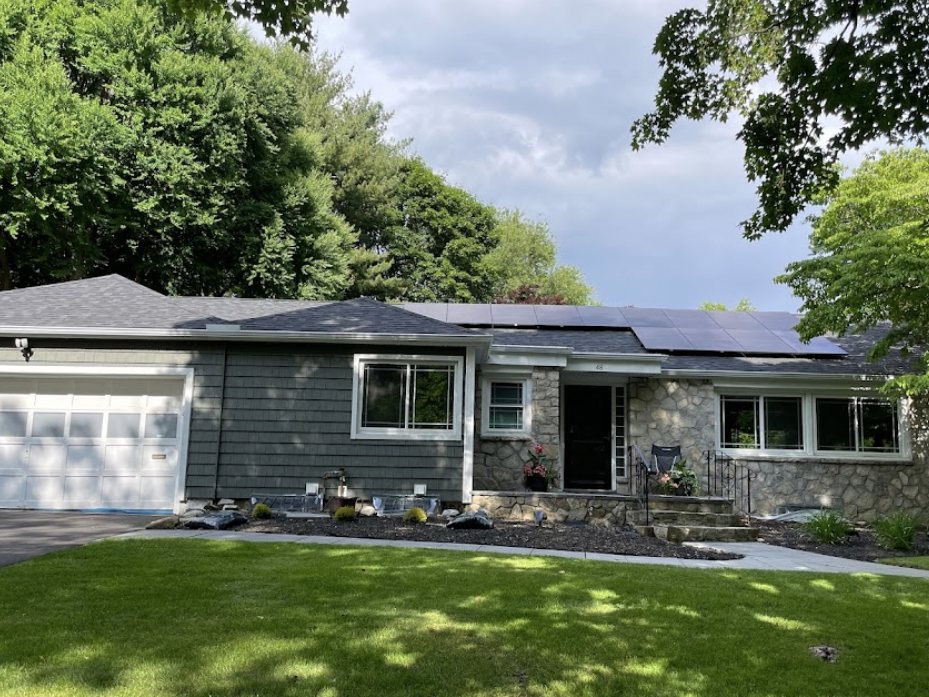
Ahmad and Team Sunshine installed 25 solar panels on our home last fall. I met Ahmad through a referral from a neighbor who had Team Sunshine install solar on his house 2 years prior. He told me how happy he was with their company and how responsive the team had been throughout the whole process. He told me two years later he was still in touch with them. I had been researching solar for a while and had just had a no show for a scheduled appointment from one company and another who wasn’t calling back…
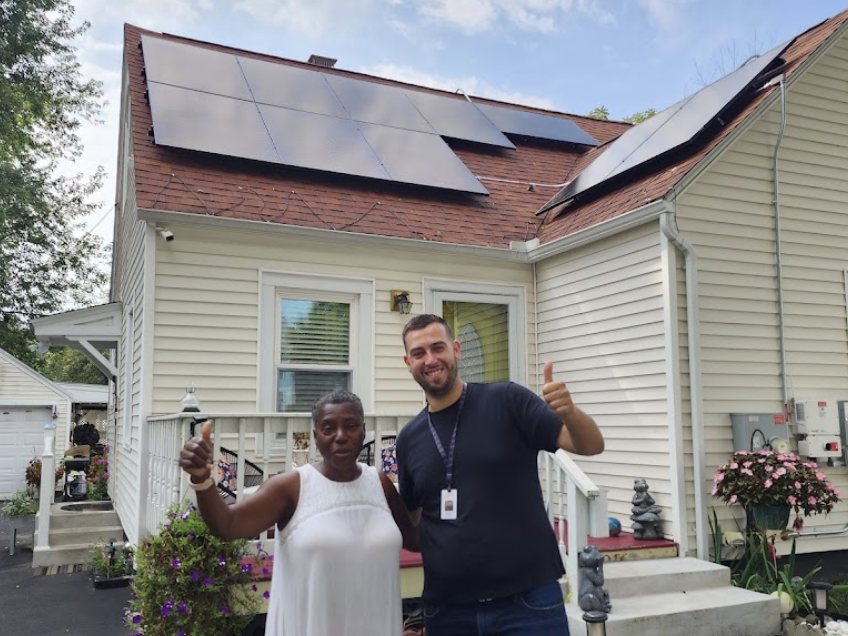
Great company, very happy with the installation . I highly recommend this great people!!
It was one of the best decisions I have made to go solar and do it with Team Sunshine. Trust is a very important part of entering into business with any company and Team Sunshine is a company you can trust. I have heard many stories of solar gone wrong and am so happy I made the choice I did. I referred a friend who just got solar installed by Team Sunshine and also had an excellent experience ( and they even offer a great referral bonus!!). If you’re considering solar, consider Team Sunshine. You won’t be sorry!! Thank you Ahmad, Louisa, and everyone else who was part of our great experience.


FAQ
Questions people actually ask
Plain answers, no sales voice. If yours isn’t here, the callout below reaches a person.
Does a solar pergola make as much power as roof panels?
Panel for panel, it can make more, because we set the tilt and orientation instead of inheriting the roof's. Total output depends on how big a structure the space allows. We model it for your yard and show it next to a rooftop option when the roof is viable.
Will it block the light on the patio?
Bifacial glass-on-glass panels let a dappled light through, similar to a slatted pergola, and we can space them for more or less shade. It reads as an outdoor room, not a solar farm.
Do I need a permit?
Yes, a building permit for the structure and an electrical permit for the array, plus the utility interconnection. We provide stamped engineering drawings for your snow and wind zone and handle all three.
Can it charge my car?
That's what carports are for. We install a Level 2 charger on the structure, wired from the same run, so the car charges under the array that's producing the power.
Does it work with a battery?
Yes. A structure-mounted array is a full solar system and pairs with a home battery the same way a rooftop system does, so the house can run through an outage.
What about snow and hurricanes?
Northern structures are engineered for your snow load with frost-depth footings, and the tilt sheds snow. Florida structures are engineered for wind uplift with hurricane-rated anchoring and permitted to the local code.
Still have a question?
A Home Advisor picks up — no phone tree.
Two climates, one team
Where you live changes the structure, and our plan does too.
In New England and the Mid-Atlantic the structure is engineered for snow load and frost-depth footings, with a tilt that sheds snow. In Florida it's wind uplift and hurricane-rated anchoring, with the shade doing real work against the summer sun.
Where we work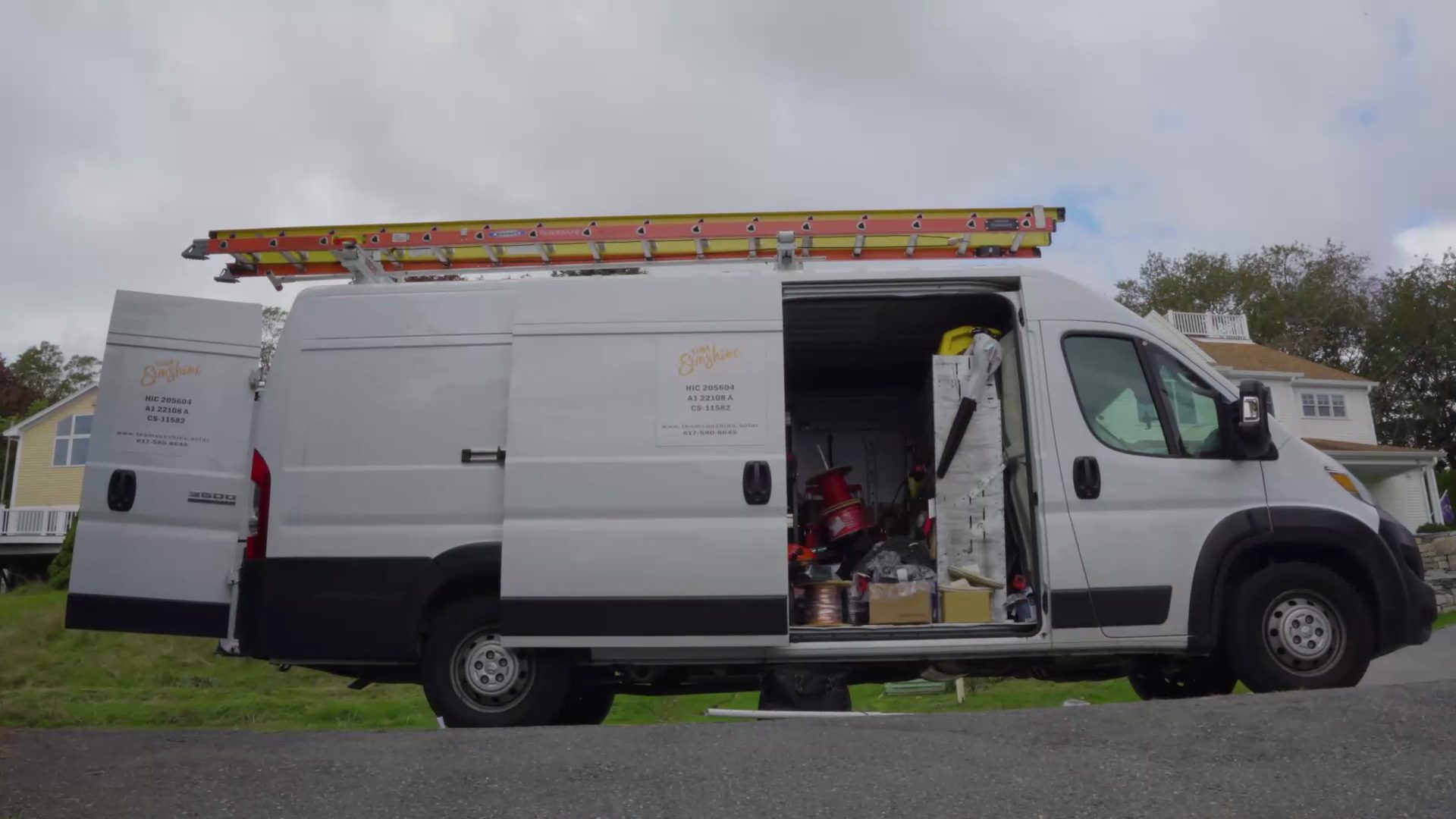
Get started
Let's see what your home qualifies for.
A free assessment, in-home or virtual. No pressure — just a plan built for your house.
Modernizing Homes Since 2019 · Made with ♥ in Massachusetts